Gifu, Japan · The Northern Alps
Tateyama Kurobe Alpine Route After Okuhida
The Tateyama Kurobe Alpine Route works best as a separate travel day after Okuhida, with an overnight stay near your chosen entrance. It is a sequence of mountain transport connections, not another name for Shinhotaka Ropeway. Choose your crossing direction before booking accommodation and onward trains.
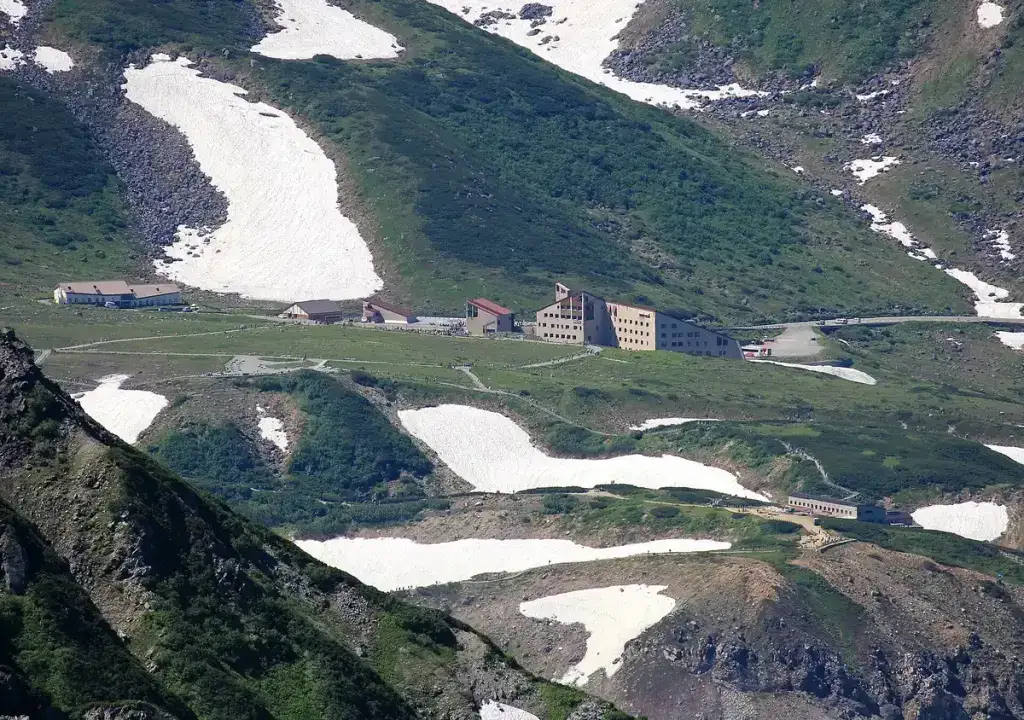
Murodo on the Tateyama Kurobe Alpine Route, seen from the mountains above. This is a different destination from Shinhotaka Ropeway. · Alpsdake · CC BY-SA 4.0 · Wikimedia Commons · Resized and converted to WebP
Some booking links may earn us a commission at no extra cost to you. How we fund this guide.
Is the Alpine Route near enough for an Okuhida day trip?
Treat it as the next stage of your journey rather than a casual excursion from your ryokan. Getting out of Okuhida already involves a road connection; the Alpine Route then has its own entrance, transport sequence and operating calendar. Combining both under a single rigid return deadline gives you little room for queues or weather.
If your goal is simply a mountain panorama between hot-spring stays, Shinhotaka Ropeway is the more natural local comparison. The Alpine Route makes sense when the crossing itself is a trip priority and you can arrange your wider itinerary around it.
Which direction should you travel?
Pick the end that fits your previous night and following destination. The Toyama side and Nagano side are different starting points, so compare the entire door-to-door journey rather than searching only for a ticket to Murodo. A crossing also leaves you on the opposite side of the mountains from where you began.
Write down four places before booking: your last Okuhida hotel, the overnight base before the crossing, the route exit, and your next hotel. If the sequence requires doubling back merely to retrieve a suitcase or parked car, revise it first.
What should you book and check?
Use the official route website for the operating season, available transport and ticket arrangements. Snow walls, autumn scenery and access to walking areas are different seasonal experiences; a photograph of one does not describe what will be accessible on your date.
Check luggage rules separately from passenger tickets. Do not assume a baggage-forwarding service accepts your bag, operates between your exact hotels, or runs on the same dates as the transport. Keep medication, rain protection and warm layers with you even if you send the main suitcase ahead.
How do you keep the crossing manageable?
Give the route a whole travel day, choose one or two main stops, and keep an earlier exit option. Travellers with children or limited walking stamina should distinguish transport sightseeing from optional mountain walks. Repeated transfers can be tiring even without a long trail.
Stay near an entrance if an early start matters to you. Check cancellation terms before booking an expensive, inflexible onward connection. Poor visibility does not always mean the transport stops, and running transport does not promise a clear mountain view.
Which option fits your trip?
| Option | Best fit | Main trade-off |
|---|---|---|
| Shinhotaka Ropeway | Local mountain outing from Okuhida | A return excursion, not a cross-mountain journey |
| Alpine Route crossing | Continuing a wider Japan Alps itinerary | Separate entrance, exit and overnight planning |
| Alpine Route return visit | Returning to the same entrance | Retracing transport rather than continuing across |
How does the route connect Toyama, Murodo and Ogizawa?
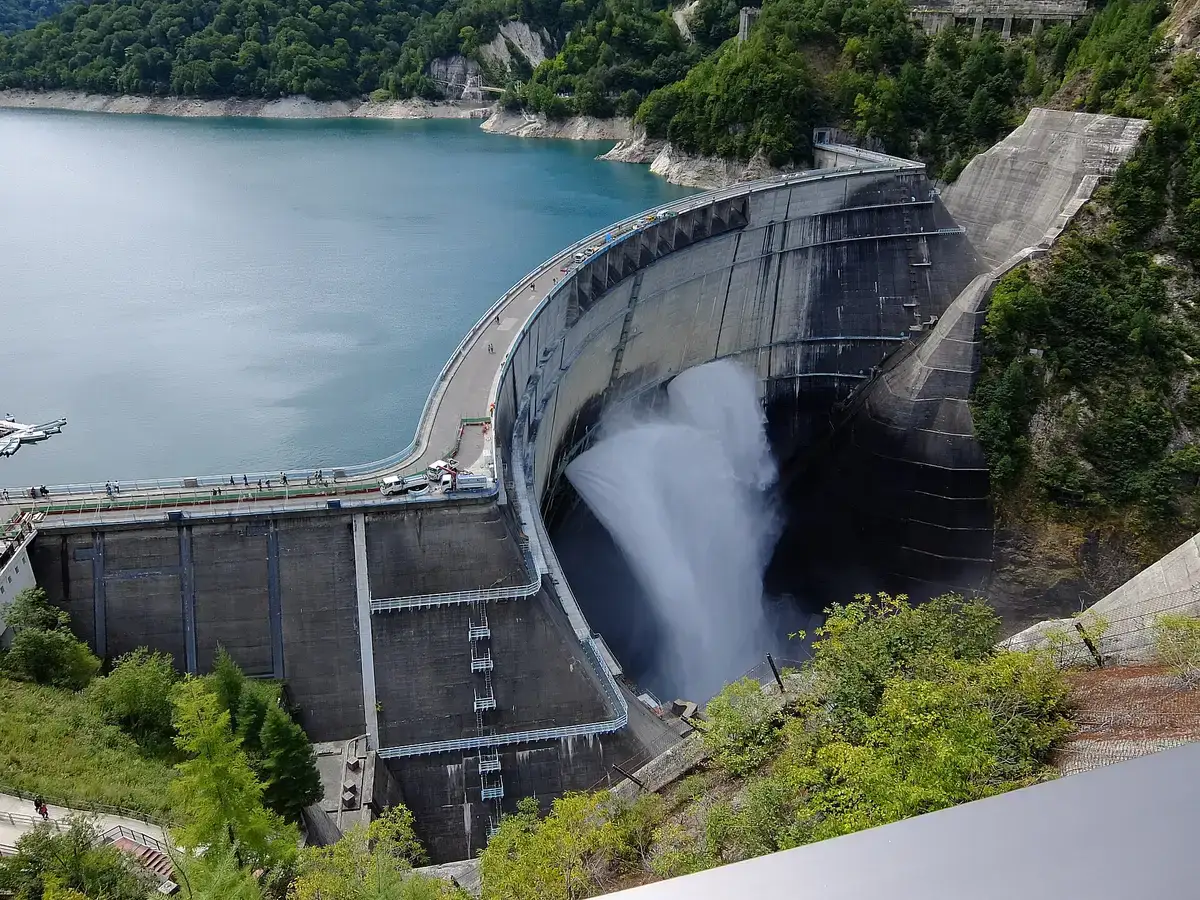
The useful planning picture is a crossing between the Toyama-side entrance at Tateyama and the Nagano-side entrance at Ogizawa, with Murodo and Kurobe Dam among the major stops. Toyama city and Shinano-Omachi or Nagano are approach gateways, rather than interchangeable names for the mountain entrances. Check the official route map and transport guide before choosing tickets. From Okuhida, first decide whether you are continuing toward Toyama or toward Matsumoto and the Nagano side. Then connect that gateway to the appropriate entrance. A hotel described as being in the Japan Alps may still be poorly placed for your first departure. Draw the journey as a sequence of named stations and hotels; this exposes awkward backtracking much more clearly than a collection of scenic map pins.
The crossing is a sightseeing journey with repeated changes of vehicle. It is not a single ropeway, a single railway, or a walking trail linking the hot-spring villages. Reserve your energy and luggage allowance for the actual transfers rather than imagining a continuous ride through the mountains.
Should you cross the whole route or return from one side?
A full crossing suits an itinerary that continues to a new region; an out-and-back visit suits travellers returning to the same hotel or vehicle. Neither is automatically the better experience. Choose the arrangement that leaves enough time at your main destination without creating an inconvenient evening journey.
For a crossing, compare your next hotel with the exit-side transport. Do not end the mountain day on one side while keeping a non-cancellable room on the other. If you want to keep a car at the entrance, a return excursion may be simpler than arranging vehicle relocation. Check any relocation service independently, including handover, collection and operating dates.
For an out-and-back visit, identify a turnaround point before departure. Murodo sightseeing and a complete crossing are different ambitions. A short walk, lunch and a comfortable return may be more rewarding than racing through every transport stage. Tell the group which element is essential so that weather or queues do not force a fresh negotiation at every stop.
Which overnight sequence works after an Okuhida ryokan stay?
Use one day to leave Okuhida and reach your gateway, followed by a separate mountain day. This gives you room to enjoy the ryokan breakfast and makes the next morning less dependent on a chain of road connections. It is a suggested itinerary structure, not a guarantee about a particular service.
For example, leave your onsen base, travel through Takayama toward the Toyama side, and sleep where the next morning’s access works. Cross the route the following day and continue toward the Nagano side. Reverse that structure if your wider trip is moving in the opposite direction. Check every rail and bus connection individually; the mountain ticket does not establish coverage to or from your hotel.
If you have only one spare day after Okuhida, consider choosing the local Shinhotaka Ropeway instead. The decision is about how much of the trip you want to devote to a crossing. A mountain highlight closer to your accommodation leaves more time for the baths and avoids moving hotels solely to reproduce a famous photograph.
What changes between snow-wall season, summer and autumn?
The scenery and available walks change independently of the main transport calendar. Snow-wall photographs, flower-lined walking paths and autumn colours describe different visits. Check the operator’s seasonal experiences and the timetable for your dates, then choose what you will do if the signature sight is unavailable. A transport service being scheduled does not mean every trail or viewing area is open. Spring snow can limit walking, while later conditions may require a different route around Murodo. In autumn, do not judge mountain clothing needs from the temperature in Takayama. Keep outdoor time flexible and use current visitor notices rather than a previous traveller’s seasonal itinerary.
For photography, choose your priority rather than expecting every season in one day. If the snow corridor is the reason for travelling, check that specific attraction. If your interest is a mountain walk, check that route’s surface and access. This distinction also helps you decide whether limited visibility would still leave a worthwhile day.
How should you handle large luggage and essential belongings?
Travel across the mountain route with a manageable day bag whenever your hotel sequence allows it. Investigate forwarding your main suitcase between accommodation bases, while checking acceptance, delivery timing and storage with both properties. Do not assume same-day delivery or that any hotel accepts an unattended bag.
Keep a separate overnight kit if the bag will arrive after you. Include medication, charging equipment, warm layers and the booking information needed for the next hotel. A passenger ticket and a baggage service are different bookings; one confirmation should never be taken as evidence that the other is arranged.
If carrying your suitcase is unavoidable, read the operator’s baggage rules for the actual transport stages. Think about lifting, stairs, crowded waiting areas and who will manage a child’s belongings. Reduce loose bags so the group can change vehicles without repeatedly repacking. For travellers with reduced mobility, ask about the complete transfer sequence rather than checking only the most prominent station’s accessibility.
What should you reserve first, and what can stay flexible?
Settle your route direction and accommodation sequence before buying tightly timed onward travel. Next, check ticket sale conditions, any timed departures and the current operating calendar through the official site. Leave optional walks and meal stops flexible until the weather is clearer. Compare what the mountain ticket actually includes with your approach journeys. A booking ending at Tateyama does not necessarily include a hotel transfer in Toyama, and an arrival at Ogizawa still needs an onward plan. Record the first and final named stops on every confirmation. If using a rail pass, keep that comparison separate from the mountain transport purchase; the JR Pass planning guide explains how to split the journey.
Before paying, read the disruption and refund terms for each separate purchase. A mountain service interruption, a missed train and a hotel cancellation are not necessarily treated the same way. Choose a final overnight stop that gives you some room to adapt without needing an expensive last-minute cross-region journey.
How do you plan for children, slower walkers and poor visibility?
Build the visit around the least demanding worthwhile version of the day, then add walking only if everyone is comfortable. Repeated boarding, waiting and temperature changes can tire a group even when the advertised walking distance is short. Choose one principal stop and a simple meeting arrangement.
For a family, carry food that fits the children’s needs and identify where you can pause indoors. Avoid promising a snow experience or panoramic view before conditions are known. For older relatives, ask about steps, walking between platforms and the availability of seating along the actual route. A scenic transport itinerary still requires physical movement between vehicles.
If visibility is poor, decide whether the crossing itself interests you. The official live cameras help set expectations but do not replace service notices or staff instructions. Do not improvise an exposed walk to rescue the photography plan. A shorter visit with a comfortable descent is a valid outcome, especially when you still have an onward hotel journey.
What should you confirm before leaving your entrance-side hotel?
Confirm service status, ticket access, the first departure you need and the final onward connection. Save the route map and confirmations offline, and make sure someone else in the group can retrieve them. This is especially useful when one phone holds both tickets and accommodation directions.
Separate the non-negotiable stages from optional stops. The exit-side bus or hotel arrival matters more than a second café stop or an extra viewpoint. Agree on a fallback if the route is interrupted: whether you will return to the same gateway, contact the next hotel, or change the following day’s plans.
Finally, check that the clothing and bag plan still matches the forecast. A warm layer buried in a forwarded suitcase is no help at Murodo. Keep the wider Japan Alps itinerary open beside this guide when arranging the surrounding nights. The Alpine Route works best when those nights support the crossing rather than forcing every transport stage into a narrow gap between unrelated bookings.
How should you choose accommodation at each end of the crossing?
Choose hotels by the first and last transport you need, rather than a general claim that they are close to the Alps. Check the route between the entrance-side hotel and the boarding point, including breakfast, checkout and luggage. On the exit side, choose an arrival you can reach without rushing through the last sightseeing stop.
For a Toyama-side night, investigate the connection toward Tateyama before selecting a neighbourhood. For the Nagano side, distinguish a stay near the mountain approach from one requiring further travel to a larger city. A short-looking road leg can still involve waiting for a scheduled service. If the hotel offers a shuttle, confirm its pickup and reservation arrangements directly.
Keep the accommodation search separate from any mountain ticket. A search module opens available properties; it does not establish that their location supports your crossing or that bag forwarding is included. Read the final address and arrival instructions. The right overnight base is the one that makes your selected direction practical, with enough margin at the end to eat, rest and prepare for the following day.
Which common booking mistake is most expensive in time?
The most disruptive mistake is arranging the trip around a scenic stop before deciding where you will finish. That can leave you crossing the mountains and then spending the evening retracing your route to a hotel or suitcase. Solve the entrance, exit and following night together before adding optional walks.
Also distinguish a gateway train from the mountain transport. A reserved rail seat to the region does not establish a departure from the mountain entrance. Record the endpoint of each ticket so the gap between them remains visible. If there is an unbooked bus or a hotel shuttle, put it in the plan explicitly rather than assuming it is part of the adjacent purchase.
When the itinerary becomes awkward, simplify the direction or overnight sequence instead of adding another transfer. Compare a partial return visit, a separate gateway night or a local Okuhida outing. A coherent trip has fewer unresolved handovers: you know where the bags are, where you sleep and which transport brings you there after the mountain day.
Where should you go next?
Continue planning with Takayama to Okuhida, Matsumoto to Okuhida, Shinhotaka Ropeway guide. Start with the Okuhida travel guide if you are still choosing a village base.
Your questions, answered
Is this the same as Shinhotaka Ropeway?
No. Shinhotaka is a local ropeway excursion from Okuhida, while the Alpine Route crosses a different mountain area using several transport stages. Choose Shinhotaka for a simpler outing from an onsen base. Choose the Alpine Route when you want to build a separate crossing day into a longer itinerary.
Can I leave my car at one end?
You can plan around a car, but a through journey creates a retrieval problem. Compare a return excursion from the same entrance with a full crossing before deciding. Check the official access and parking information for your dates, and do not assume a car-transfer service is included with passenger tickets.
Should I stay in Okuhida the night before?
An overnight base closer to your chosen entrance usually produces a less complicated morning. If you stay in Okuhida, work backwards from the first transport you need and verify every connecting service. A late ryokan breakfast and an early mountain crossing may not fit comfortably together.
Does a rail pass cover the crossing?
Do not assume it does. A pass may help you reach the wider area without covering the mountain transport itself. Compare the official Alpine Route ticket conditions with the exact rail pass you hold. Include any additional bus or mountain transport purchases in your itinerary calculation.
What if the weather is poor?
Check official operating notices before leaving your overnight base. Decide whether you value the transport crossing even with limited views, and keep optional walks flexible. If services are interrupted, follow operator instructions rather than trying to preserve the original schedule through an unsuitable alternative route.