Gifu, Japan · The Northern Alps
Takayama to Shirakawa-go: Day Trip and Okuhida Links
Visit Shirakawa-go from Takayama as a separate day trip or an onward travel stop. From Okuhida, allow for reaching Takayama first rather than assuming a direct village-to-village connection. Secure a workable return journey, then plan time for the heritage settlement, a house visit and the viewpoint if access permits.
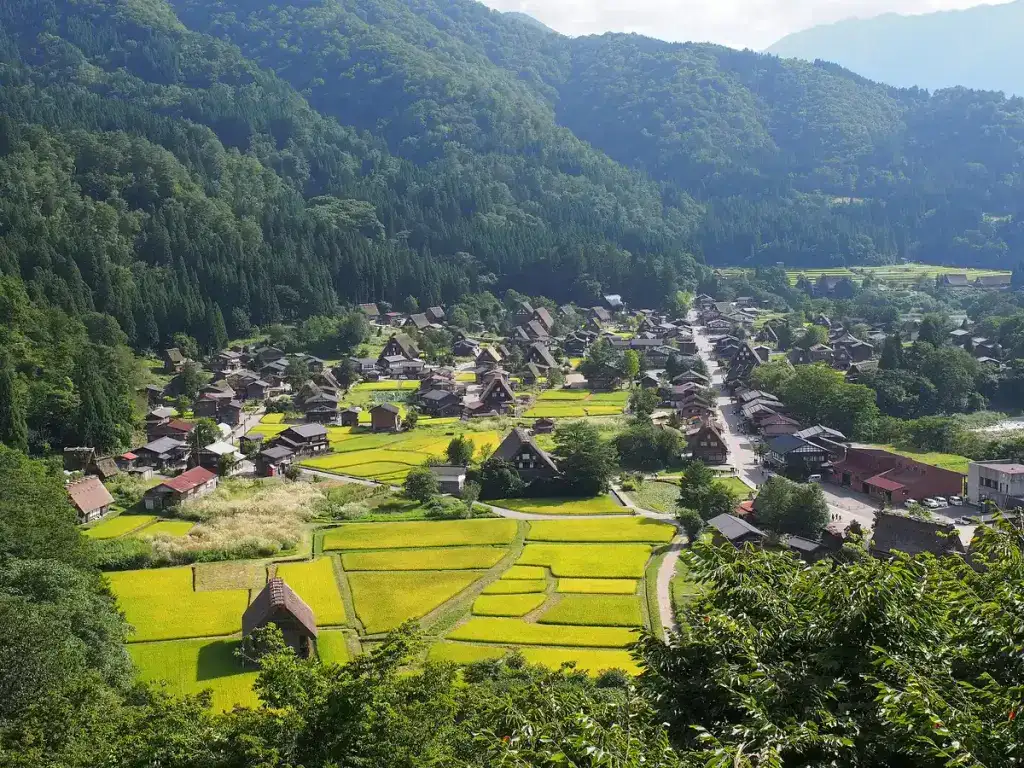
Ogimachi seen from the observation area. This daytime view does not establish light-up or observation-deck admission. · 吉爾 · CC BY-SA 2.0 · Wikimedia Commons · Resized and converted to WebP
Some booking links may earn us a commission at no extra cost to you. How we fund this guide.
Which Shirakawa-go visit fits around an Okuhida stay?
Use a Takayama night for the simplest city-based day trip, or plan a through journey when it avoids returning for luggage.
| Visit plan | Main advantage | Main check |
|---|---|---|
| Takayama day trip | One gateway and a clear return | Exact bus booking conditions |
| Through visit toward another city | Less backtracking | Bags and onward reservation |
| Outing from an Okuhida ryokan | Keep the same room | Full road journey and dinner arrival |
| Winter light-up event | A distinct evening experience | Separate official admission and return |
Should you go from Takayama or Okuhida?
Takayama is the more straightforward base to investigate for scheduled transport to Shirakawa-go. If you are already staying in Okuhida, add the journey back through the gateway to your planning. Do not judge the outing only by the Takayama-to-Shirakawa-go bus leg.
A sensible order is Takayama sightseeing, Shirakawa-go, then your Okuhida stay—or the reverse. If continuing toward another city, compare the through route with returning to Takayama and retrieving luggage. Choose an itinerary that avoids unnecessary backtracking.
Do you need to reserve the bus?
Check the Nohi Bus route page for the departure you intend to use. The corridor includes services with reservation arrangements, so do not apply one blanket rule to every departure. Secure the return or onward journey as carefully as the outbound one.
If a departure is sold out, check legitimate alternatives through the operator rather than assuming you can board with a different ticket. Leave space around long-distance connections. A late arrival into Takayama can matter if you still need a mountain bus and a ryokan dinner.
What should you do in the village?
Start with the Ogimachi settlement and choose a heritage house open to visitors if you want to understand the buildings beyond their exteriors. Add the viewpoint when the current access arrangement and conditions suit your group. Use the association’s visitor information instead of treating every saved viewpoint pin as freely accessible.
The village is home to residents. Stay out of private fields and doorways, respect signs and ask before photographing people. Snow, rain and crowds can slow a walk that looks compact on a map.
How do you keep the day realistic?
Choose a small set of priorities and allow for lunch and the walk back to the terminal. A day that includes the village, a house visit and a viewpoint does not need another distant attraction merely to feel complete.
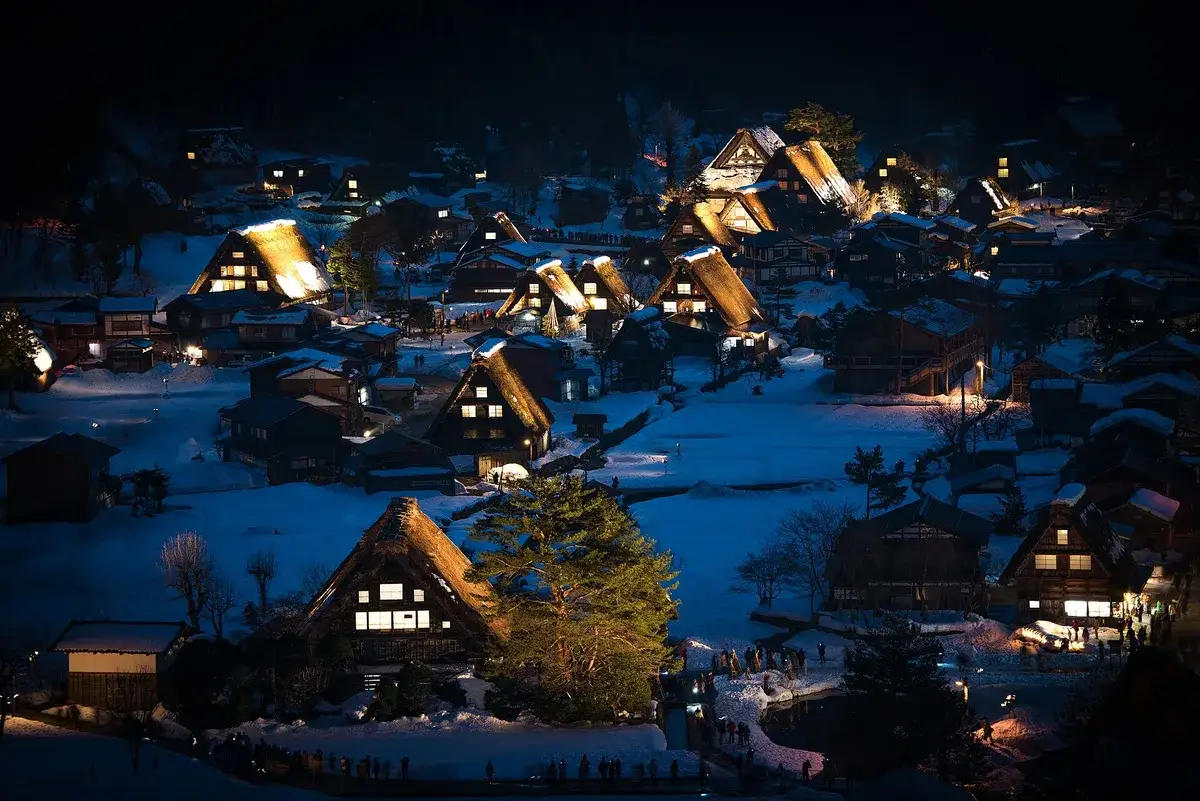
Do not confuse normal sightseeing with winter light-up admission. Event days have separate arrangements. If your interest is the illuminated winter scene, read the event guide before buying transport; an ordinary daytime ticket is not an entry reservation for the evening.
What is Shirakawa-go, and which part do most day visitors see?
Most first-time day visits focus on Ogimachi, the settlement known for gassho-style houses and the surrounding rural landscape. Shirakawa-go is a wider place name, so check the exact destination and bus stop rather than treating every attraction carrying the name as part of the same walk.
Use the tourist association’s visitor information to choose a compact route and identify houses currently open to visitors. Looking at buildings from the street and entering a heritage house are different experiences. One interior visit can add context to the architecture without turning the day into a succession of admissions. Remember that the village is still lived in. Private homes, fields and working spaces are not attractions simply because they appear in a photograph. A good day balances the streetscape with one or two chosen stops, leaving time to walk back to the terminal comfortably. You do not need to enter every building or reach every viewpoint for the visit to feel complete.
How do you get from Takayama to Shirakawa-go?
Use the current Nohi Bus corridor information to choose the exact departure and its reservation conditions. The route page distinguishes services and booking arrangements, so avoid applying a single rule such as all buses require reservations or all are walk-up. Check the service you intend to board. Secure the return or onward plan as carefully as the outbound journey. If continuing toward Kanazawa or another gateway, check that route independently and keep the luggage arrangement clear. A through itinerary may avoid returning to Takayama, but it creates a different hotel sequence.
Save the confirmation, boarding point and service notes offline. On arrival in Shirakawa-go, orient yourself at the terminal before starting the village walk. Identify how you will return and when you need to be ready for boarding. Traffic, weather and queues can affect the day, so leave margin around onward trains and hotel deadlines rather than treating the published journey as a guarantee of a precise arrival.
Can you visit directly from an Okuhida ryokan?
Plan around the journey back through the Takayama gateway unless an operator confirms a different service that fits your date. Okuhida and Shirakawa-go are separate excursions from the wider Hida region; their names appearing in one itinerary does not establish a direct connection between your hotel and the village.
Add the village-to-Takayama journey before evaluating the day. Include the walk from the hotel, any Hirayu change, luggage handling and the transfer to the Shirakawa-go departure. Then repeat the exercise for the return to your ryokan. This exposes how a straightforward city day trip can become a much longer outing from a mountain base.
For many itineraries, placing Shirakawa-go before or after the Okuhida nights is more comfortable. A Takayama stay can support the excursion without an early mountain transfer. If you do return to Okuhida the same day, protect the property’s agreed arrival and dinner arrangements. Do not make the final workable bus the normal plan after a corridor where delays can affect the return.
What should a comfortable first visit include?
Choose a village walk, one heritage-house visit if it interests you, and a viewpoint only when access and conditions suit. Add lunch or an indoor break instead of filling every interval with another pin. This gives the day enough variety without making it dependent on a rapid walking pace.
Start by understanding the permitted route from the arrival area into the settlement. Check current local signs and avoid using private paths as shortcuts. If the weather changes, shorten the loop or spend more time at an open indoor stop. Do not assume that every business shown on a map will be available when you arrive.
For a mixed-ability group, agree on the main shared experience before splitting optional activities. A slower visitor may enjoy the house and street walk without attempting an uphill viewpoint approach. Keep the meeting place simple and make sure everyone knows the terminal return plan. A well-paced visit is more rewarding than reaching a famous panorama while the rest of the group waits in discomfort.
How should you decide whether to visit a viewpoint?
Check the current access arrangement and the physical route before making the viewpoint compulsory. A broad photograph of Ogimachi does not tell you whether the approach is open, suitable on foot or included in a tour. Weather, surface conditions and any local transport arrangements need individual confirmation. Ask what is required from the place where you are starting, not merely from the village centre in general. Include the return to the settlement and the onward walk to the bus terminal. If snow or rain makes the route uncomfortable, choose a street-level visit rather than seeking an unofficial alternative.
For tours, read whether a viewpoint is guaranteed, conditional or absent from the programme. Do not infer it from the sales image. The Shirakawa-go tours guide explains those comparisons. If photography is the main priority, a flexible independent visit may suit you better than a multi-stop itinerary, provided you have confirmed transport and can adapt to the current visitor rules.
What changes for a winter daytime visit?
Winter changes footing, clothing needs and the reliability of tight road connections. It does not automatically turn a daytime visit into a light-up event. Check the forecast and current access notices, then plan a smaller walking circuit if snow or ice makes movement slower.
Choose shoes suitable for the actual surface and keep warm layers accessible. Consider whether every member of the group can manage the route back to the terminal after the main sightseeing is finished. A compact map can conceal a demanding day when the group is carrying bags or moving carefully over snow.
The bus operator warns that traffic, snowfall and road disruption can cause substantial delays. Avoid attaching an inflexible evening connection to the latest possible return. If you want the special illuminated event, use the light-up booking guide and the official event information. Ordinary winter scenery, a daytime bus ticket and a reserved evening event are three separate things.
Should you travel independently or book an organised excursion?
Choose independent travel for control over house visits, meals and walking pace. Choose a tour when its actual transport, guide or regional combination adds something useful. Compare the complete day from your hotel, including the journey to the meeting point and the trip home afterward.
A transport-only product may not include a guide or house admission. A guided excursion may offer less free time than you want for photography. A multi-stop trip can introduce several places while reducing time in each. Read the programme and inclusions rather than assuming a longer advertised duration means a longer village visit.
For an Okuhida itinerary, the return town matters especially. A tour ending in Takayama does not necessarily connect with your final village bus or dinner. Consider booking the activity on a Takayama night. Use the activity module as a comparison starting point, then check the operator’s current listing for dates, meeting instructions and cancellation terms. A good package solves a real planning problem instead of simply combining familiar place names.
Is staying overnight in Shirakawa-go a better fit?
An overnight stay may suit travellers who want a different rhythm from the daytime excursion, but it requires its own room, meal and arrival checks. Investigate options through the official tourism information and contact the property about luggage and check-in. Do not treat overnight accommodation as an automatic extension of a bus ticket.
If booking during a light-up period, verify event access separately. An ordinary room reservation does not establish that special-event admission or viewpoint access is included. Read the official event process and the property’s exact offer before making assumptions. Compare the extra hotel change with your wider trip. A Shirakawa-go night followed by Okuhida can be appealing if the connections work, while a city base may be simpler for travellers with large bags or several onward journeys. Choose the sequence that lets each destination have a clear purpose. The Takayama–Okuhida itinerary helps place the village visit around the onsen nights without repeatedly retracing the same gateway journey.
What should you do with large luggage during a village visit?
Settle the storage or forwarding arrangement before leaving the gateway. A suitcase can make a village walk awkward, especially when paths are busy or affected by snow. Do not assume a particular locker size, staffed counter or hotel will accept all your bags without checking.
If returning to Takayama, storing bags at an agreed location there may simplify the day. If continuing toward another city, investigate storage at the actual arrival point or forwarding between hotels. Check collection timing, acceptance and the belongings you need to keep overnight. A through bus ticket does not include a luggage-handling service beyond the operator’s stated baggage rules.
Keep the group plan realistic. One person should not be left guarding bags while everyone else visits the village unless that arrangement is deliberate and comfortable. Reducing luggage for the outing can be more useful than adding another attraction. The best solution is the one that brings you back to your bags naturally, without a detour that undermines the onward route.
How do you make the village visit considerate and unhurried?
Stay on permitted routes, respect private signs and give residents and other visitors room to move. The houses and fields are part of a community rather than an unrestricted outdoor museum. Ask before photographing people closely or entering a business with the main aim of taking pictures.
For photography, wait where you do not block a doorway, bridge or narrow path. Avoid stepping into fields or crossing barriers to remove people from the frame. Snow can conceal edges and private boundaries, so follow the signed route rather than a line of footprints. Keep rubbish contained and use visitor facilities according to local instructions.
Leave a relaxed final walk back to the terminal. It is easier to be considerate when you are not trying to recover time before a departure. Choose fewer stops, include a real break and accept that the most famous view may not suit the day’s conditions. A village visit can be rewarding without reproducing every image that first brought it to your attention.
Before leaving the village, use the available interval to check the return instructions rather than adding a final distant stop. Confirm that everyone has their belongings and knows the boarding arrangement. This small pause helps keep the onward journey as calm as the walk itself.
Where should you go next?
Continue planning with Shirakawa-go tours, Shirakawa-go winter light-up, Takayama to Okuhida. Start with the Okuhida travel guide if you are still choosing a village base.
Your questions, answered
Is there a direct bus from Hirayu to Shirakawa-go?
Plan using the current operator network rather than assuming a direct connection. A practical starting point is to investigate travel through Takayama, then the Shirakawa-go route. Confirm the complete itinerary on your date and protect your return to Okuhida if you are staying for another night.
Can I buy a bus ticket on the day?
Availability and reservation rules depend on the exact service. Check the operator’s current route information and do not rely on finding a seat after arrival. Planning the return at the same time as the outbound journey is especially useful when you have an onward train or ryokan dinner.
Is the village a good winter day trip?
It can be attractive in winter, but snow affects walking, clothing and road travel. Allow extra time and check current notices. A normal daytime visit is separate from the organised illumination event, which has its own admission requirements. Choose transport and footwear for the actual conditions rather than the promotional image.
Should I take a tour instead?
A tour can simplify the transport when its departure point and timetable fit your trip. Compare actual time in the village, guide language and what is included. A tightly packed multi-stop itinerary may give less time for heritage houses and unhurried walking than a simple independent visit.
Can I stay overnight?
Investigate stays through the tourism association and confirm meals, arrival arrangements and luggage handling directly. An overnight stay is a different experience from a bus excursion, but it does not automatically include access to a special event. Check the specific booking terms before assuming the reservation includes illumination admission.