Gifu, Japan · The Northern Alps
Takayama to Shinhotaka Ropeway: Bus Guide 2026
Travel from Takayama Nohi Bus Center toward Shinhotaka Ropeway on the Nohi Bus route through Hirayu. Before departure, check that your chosen service reaches the ropeway stop, read its operating-period notes and save the return timetable. Leave enough flexibility for queues, mountain weather and any onward train or ryokan dinner.
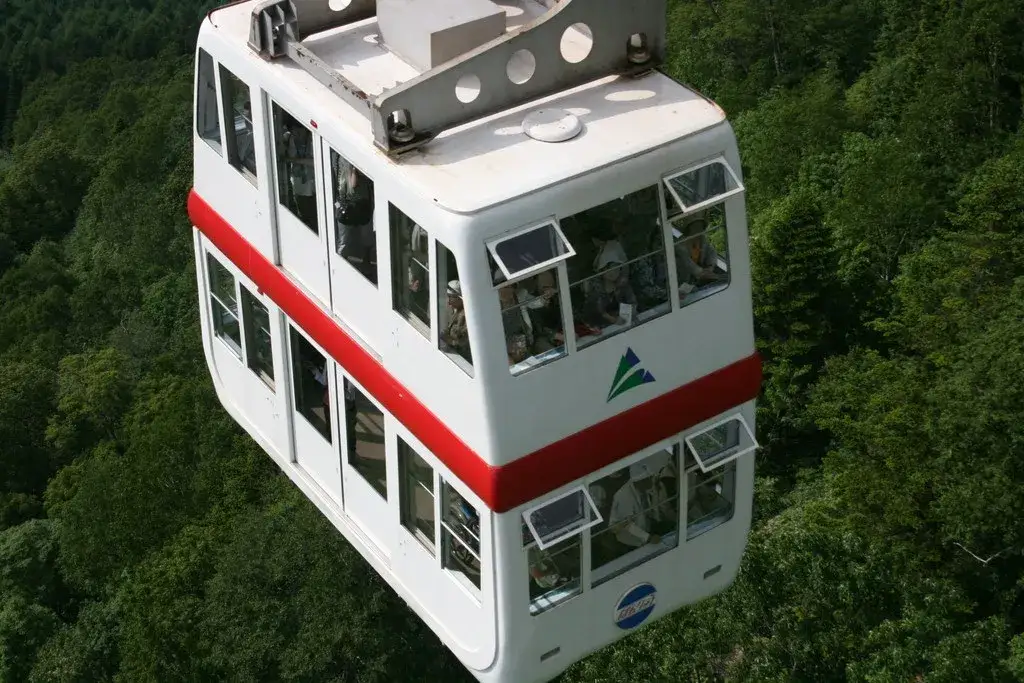
Archive photograph of a double-decker gondola at Shinhotaka Ropeway; it does not establish the current cabin design. · Alpsdake · CC BY-SA 3.0 · Wikimedia Commons · Resized and converted to WebP
Some booking links may earn us a commission at no extra cost to you. How we fund this guide.
What is the simplest route from Takayama to the ropeway?
Start at Takayama Nohi Bus Center, choose a Nohi departure serving Shinhotaka Ropeway, and follow the current route table through Hirayu Onsen. The attraction is the final destination on the main route diagram, but individual columns and operating notes determine which journey actually works for your date.
This is a bus journey into Okuhida rather than a train connection to the ropeway. Takayama Station is your railway arrival point; the bus center is the place to organise the mountain leg. Keep those two stages separate when searching, because a rail planner may not describe the same-day local bus details clearly.
The direct route is usually the first option to examine for a day trip. It avoids hiring a vehicle for a single outing and lets you concentrate on the attraction instead of parking. It still requires planning: the return bus and ropeway operating window must fit together, and road delays can affect both directions.
If you are still comparing villages or the overall trip shape, begin with the Okuhida regional guide. A ropeway visit can form a day trip from Takayama or the outdoor part of an overnight stay; the right arrangement depends on your next destination.
How should you read the Nohi Bus timetable?
Read down one service column and check its notes before comparing departures. Do not build a journey by combining convenient times from neighbouring columns: they may belong to different buses, different operating periods or a service that finishes before your intended stop.
Find the outgoing table headed from Takayama toward Hirayu and Shinhotaka. Locate your boarding row, follow the same column to the ropeway row, and examine symbols or blank cells. A blank cell is a reason to investigate, not permission to assume the bus continues. Then repeat the exercise in the reverse-direction table.
The published timetable includes routes through village stops that are useful for overnight visitors. That does not mean every departure stops directly outside every ryokan. If you plan to leave luggage at a property before sightseeing, identify the accommodation’s correct stop and the later bus you would rejoin.
Save the official page as a reference rather than relying entirely on a copied blog table. Operating periods, diversions and service notices can change after an article is written. The purpose of this guide is to explain the decision; the operator remains the source for the departure you board.
Where do you board in Takayama?
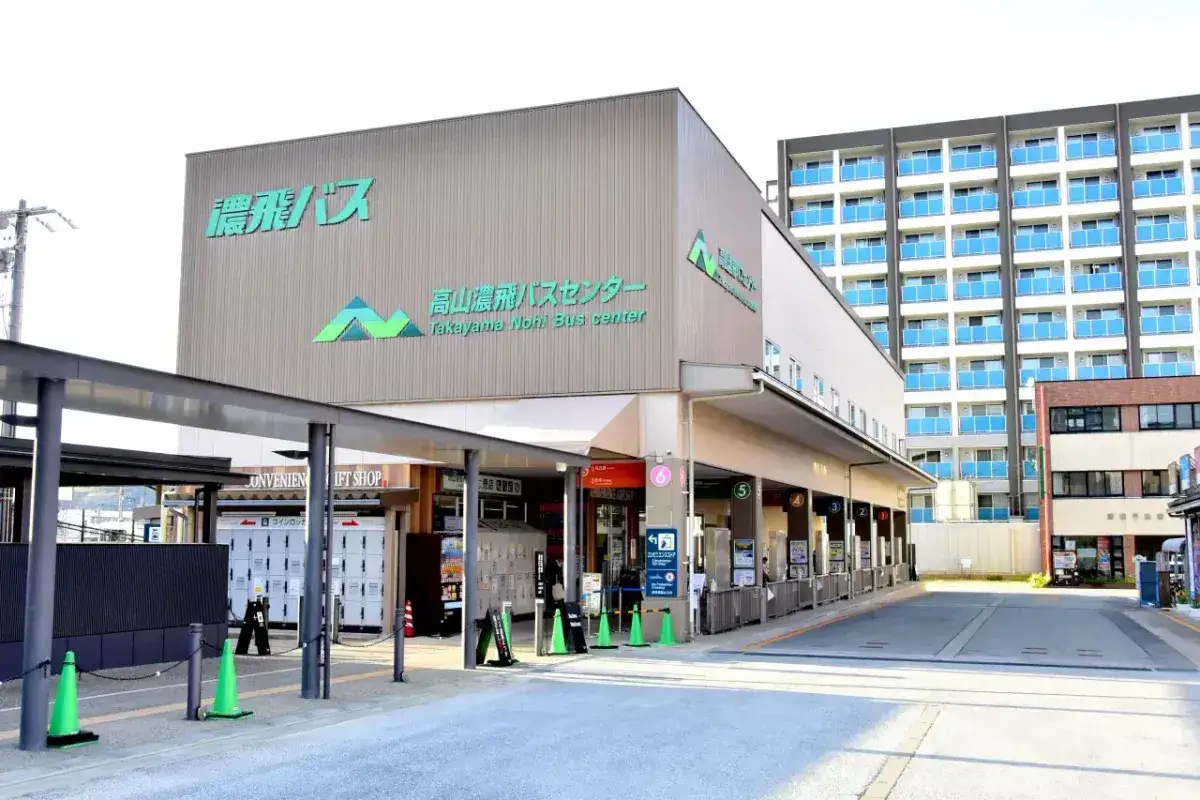
Board at the stop confirmed by Nohi Bus for your selected departure, normally organised through Takayama Nohi Bus Center beside JR Takayama Station. Check the current bay information at the terminal instead of assuming a platform number from an old photograph.
Arrive with enough time to read the departure display, confirm your destination and deal with ticketing. A train’s arrival time is not the same as your ready-to-board time: leaving the platform, locating the terminal and sorting luggage all take attention, particularly on a first visit.
Prepare the attraction name on your phone in both forms you may encounter: Shinhotaka Ropeway and 新穂高ロープウェイ. Show the actual destination if you are unsure. “Shinhotaka” also appears in village and stop names, so a broad place name can be less precise than the ropeway stop itself.
If you need assistance, ask before the bus is about to leave. Explain whether you are going directly to the ropeway or stopping at a hotel first. The distinction affects the ticket and the advice staff can give. Do not rely on another passenger having the same itinerary just because they are carrying hiking equipment.
Do you have to change buses at Hirayu?
Choose your exact service first, then check whether it continues through Hirayu or requires a separate onward departure. Hirayu is an important interchange, but the presence of a transfer point on the route does not mean every traveller must change or every arriving bus continues.
| Plan | What to verify | Main trade-off |
|---|---|---|
| Through service from Takayama | Same column reaches the ropeway | Fewer moving parts |
| Planned Hirayu stop | Later departure and boarding point | More flexibility, another connection |
| Overnight in Hirayu | Hotel luggage and return arrangements | Separates sightseeing from long arrival day |
| Overnight near Shin-Hotaka | Exact hotel stop | Shorter local sightseeing approach |
A transfer can be useful when it is intentional. You may want lunch, a ryokan check-in arrangement or an onward journey from another direction. It becomes a problem when you discover the need to change only after the first bus has finished its route.
Use the Hirayu village guide if you are considering a break or overnight there. Check any luggage-storage plan directly, especially if leaving bags before the property’s normal arrival arrangements. A room reservation does not automatically establish that storage or early access is available.
How much time should you allow for the day trip?
Allow the actual bus journey shown for your departure, plus comfortable time for ticketing, ropeway transfers, the view and your chosen return. Avoid planning around one universal duration: the timetable, road conditions and how long you want at the top all change the useful amount of time.
Begin by identifying your non-negotiable evening commitment. If you have a train reservation from Takayama, leave a connection margin and choose an earlier return bus as your working plan. If you have a ryokan dinner, check when the property needs you to arrive rather than assuming you can dine whenever you return.
At the ropeway, treat the upper journey and the journey back down as part of the day. People often plan carefully to reach an attraction and forget that queues or weather may affect the return phase. Keep the bus deadline visible and decide on a sensible point to begin descending.
The main ropeway guide covers the station sequence, ticket questions and conditions to check. Read it before buying a bundle so that the transport plan and sightseeing plan describe the same trip.
What ticketing questions should you ask?
Ask which bus ticket covers your planned stops and whether any combined product matches the exact route you will use. This guide does not quote fares or promise a particular pass is best; the answer depends on your travel pattern and the product’s current conditions.
Nohi’s route page explains ticket purchase arrangements at major boarding points. Check those instructions before joining a queue, and keep the ticket or payment method ready without assuming every stop has the same facilities. A bus departing from a large terminal and one boarded at a village stop may require different preparation.
If comparing a combined bus-and-ropeway ticket, write down the included section and validity first. Look for exclusions during maintenance, whether the start point matches your itinerary, and whether Kamikochi is included or separate. An inclusion you cannot use is not a reason to distort your day.
Keep booking confirmations and the official timetable accessible offline. If a product requires exchange, find out where that happens before leaving the terminal. A confirmation email is not always the same thing as the ticket you present when boarding.
Can you carry large luggage on the bus?
Check Nohi’s baggage guidance and ask about your specific luggage if it is unusually large or numerous. Do not infer unlimited storage from a photograph of a coach, because vehicles and route arrangements can differ. Keep medicines, valuables and the things needed during the outing with you.
For a return day trip from Takayama, leaving the main suitcase at your accommodation may simplify the excursion if the property confirms storage. If you are continuing to an Okuhida ryokan, ask that property about the closest stop and the final approach before deciding to travel with all your bags.
Travellers with children or older family members should divide the tasks. One adult can check the bay while another stays with the bags; everyone should know the intended stop. Photographing the luggage arrangement before unloading is less useful than counting bags together before the bus leaves.
A stroller, wheelchair or sports item deserves a direct question to the operator. Explain dimensions and whether it folds. A generic statement that buses accept luggage does not answer whether your particular equipment can be accommodated on the service you intend to use.
What should you do about winter and weather delays?
Build a winter trip with a larger margin and an alternative activity, because the bus uses mountain roads and the ropeway has its own operating limits. A running bus does not guarantee a running gondola, and a ropeway reopening does not restore a missed onward connection.
Nohi warns that snow and congestion can cause significant delays on this route. Use the latest operator notices before travelling and avoid presenting a tight railway connection as protected. If the onward journey is critical, an overnight stop can reduce the number of weather-sensitive elements you must complete in one day.
Check the ropeway’s status before leaving Takayama and again when practical during the day. If visibility is poor, decide whether the ride itself still meets your expectations. Do not keep waiting for a clear view until the return transport becomes uncertain.
Read the Okuhida winter planning guide before choosing a vehicle instead of the bus. A rental car supplies flexibility only when the driver, vehicle equipment and road conditions suit the journey; it is not an automatic solution to winter transport uncertainty.
Is an overnight stay better than a return day trip?
An overnight stay is worth considering when you want time at a ryokan, have a long arrival journey or want more freedom to choose the ropeway day. A return trip works better when you have a clear daytime window and prefer to keep your luggage and evening plans in Takayama.
Compare the whole route rather than only the morning departure. Sleeping near Shin-Hotaka may help with the local excursion, while sleeping in Hirayu may align better with a later journey toward Matsumoto or Kamikochi. Check the current services before treating either location as a universal winner.
If you book a stay, send the property your expected arrival route and ask for the correct stop. Tell them whether you plan to visit the ropeway before checking in. This gives them a concrete question to answer about luggage and dinner, instead of a vague request for transport advice.
Before finalising, make a simple written plan: outgoing departure, correct attraction stop, return or hotel-bound departure, and a fallback if the attraction is interrupted. Once those four pieces work, the day becomes easier to enjoy without watching the timetable constantly.
What should you wear and carry at the top?
Dress for a mountain station, not for the street in Takayama. Conditions at the upper level can differ sharply from the valley, so bring layers, a windproof outer layer and shoes with a secure grip. A ropeway ride is short on the clock, but the surfaces and weather you meet at the top are not those of a town sightseeing day.
Keep your bus timetable, the ropeway status page and your accommodation contact available on your phone, and carry a small power bank because cold and constant screen use drain batteries. If you wear glasses or carry a camera, plan for mist and condensation on a damp day.
Water, a snack and any medication belong in your day bag, not in luggage stored elsewhere. If someone in the group is not comfortable with height or cold, agree beforehand that they can wait in a station area while others look around, and check which facilities are open on your date instead of assuming a café or shop will be available.
Can you combine the ropeway with Kamikochi or a bath on the same trip?
Combine them across separate days when you can. A same-day ropeway visit plus Kamikochi would require two sets of buses, two return deadlines and two weather risks, which rarely leaves a comfortable margin. If you only have a single day, choose the one attraction that matters more and treat the other as a later outing.
An overnight in Okuhida makes the combination more realistic. Spend one day on the ropeway and the next in the valley, using the Kamikochi guide to plan the second bus and return. Both routes pass through Hirayu, so the Hirayu Onsen guide is a sensible place to compare bases that serve both.
For an evening bath after the ropeway, check that your ryokan or chosen facility accepts your return time. A late bus from the mountains can collide with dinner service or bathing hours, so tell the property your expected arrival rather than hoping it will accommodate whenever you appear.
Your questions, answered
Is there a direct bus from Takayama to Shinhotaka Ropeway?
The official Nohi route table includes the journey from Takayama toward the ropeway through Hirayu. Check your chosen column, operating dates and destination before travelling. Some departures or segments can differ, so do not assume every bus labelled for the general Okuhida area reaches the attraction itself.
Do I need a reservation for the local Nohi route?
Use Nohi’s current route instructions for the service and any ticket product you choose. The local route and a highway coach are different services, with different arrangements. Confirm the boarding and purchase procedure at the terminal, particularly if you are connecting from another city or using a combined product.
Can I stop at Hirayu on the way?
You can plan a break if your ticket conditions and the onward timetable allow it. Identify the later departure before leaving the first bus, and confirm any luggage arrangement separately. A stop can be useful for an overnight stay, but an unplanned connection may reduce your time at the ropeway.
Can I catch a train after returning to Takayama?
Choose the train only after checking the return bus and allowing for road delays. The scheduled bus arrival is not a protected connection, and you still need time to reach the railway platform. An earlier return bus gives more flexibility than building the whole outing around the last workable departure.
Should I rent a car instead?
Compare a rental only if you want a wider road itinerary and the driver is comfortable with the conditions. Check licence eligibility, winter equipment, parking and hotel access first. For a single ropeway outing, the bus may be simpler; a car does not remove weather-related ropeway suspensions.
Can I visit Shinhotaka Ropeway from Takayama as a day trip by bus?
It is a recognised planning option, provided the outgoing bus, the ropeway's operating status and a return departure all work for your date. Choose a working return and an earlier fallback before leaving. Keep any train reservation or ryokan dinner flexible, because mountain roads and weather can disrupt both the bus and the gondola.