Gifu, Japan · The Northern Alps
Shin-Hotaka Onsen guide 2026
Shin-Hotaka Onsen suits travellers who want an Okuhida ryokan stay with a mountain setting and a flexible ropeway outing. Check the exact inn location: the area name does not mean every property is beside the gondola. Match bath privacy, meals and arrival arrangements before choosing your room.
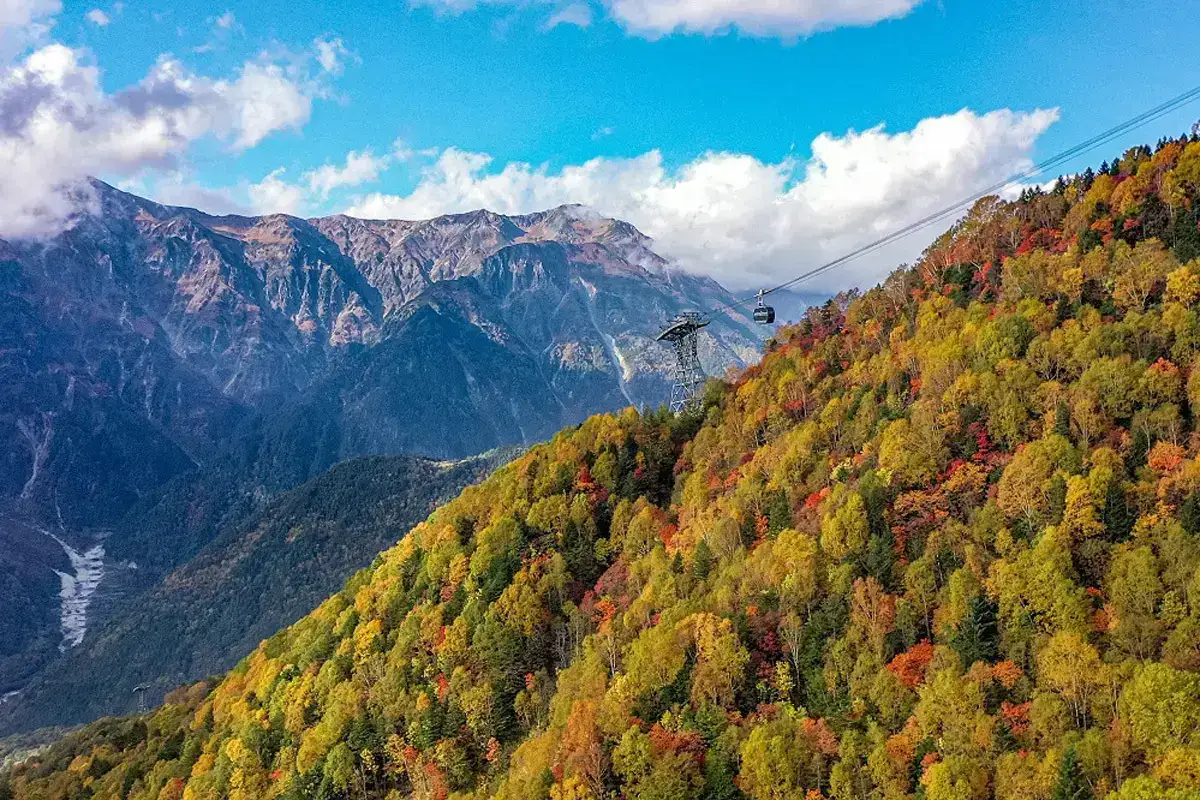
Shinhotaka Ropeway in autumn forest colour, used with permission. Service and views vary by season. · Editorial permission · Used with permission · Editorial permission · Resized and converted to WebP
Some booking links may earn us a commission at no extra cost to you. How we fund this guide.
Why stay in Shin-Hotaka Onsen rather than visit for the day?
Stay in Shin-Hotaka when a mountain setting and time at your chosen inn are the main reasons for coming to Okuhida. A day trip can cover the ropeway, but an overnight stay gives the accommodation its own place in the itinerary instead of fitting a bath between buses.
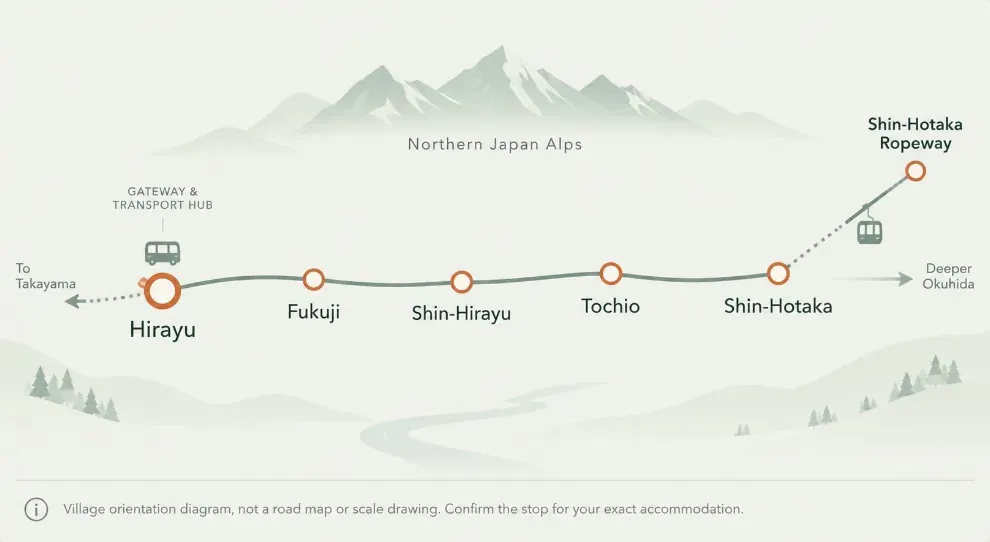
Shin-Hotaka is one of the five areas in Okuhida Onsen-go, within Takayama City in Gifu Prefecture. It shares its name with the wider hot-spring area and appears in the name of Shinhotaka Ropeway. These are connected places, but a booking described as Shin-Hotaka Onsen is not necessarily beside the ropeway’s lower station. Look at the actual address and arrival instructions before deciding how convenient a property will be.
That distinction is especially important for an inn-led stay. The right room, bath arrangement and dinner can matter more than being closest to the gondola, provided the last part of the journey is clear. Our Okuhida village overview compares this choice with the terminal-centred convenience of Hirayu and the other valley bases.
Where is the best part of Shin-Hotaka to stay?
The best location is the one that fits both your accommodation preference and your transport plan. Begin with the inn’s confirmed bus stop or parking approach, then assess its relationship to the ropeway rather than judging by the village label alone.
A property nearer the lower ropeway station can suit someone who wants a straightforward start to a sightseeing outing. An inn elsewhere in the Shin-Hotaka area may be a better match for a room-led retreat. Neither location is automatically better. Ask what walking is involved, whether the route has gradients and whether a transfer service is available for your actual arrival. Treat any transfer as a confirmed arrangement, not an amenity inferred from an old guest review.
Put the property’s location pin beside the official bus-stop map. Online maps may place a hotel at an entrance or road junction that does not show the most practical way to arrive with luggage. In winter or after dark, a small difference on a map can have a large effect on comfort. Give the inn the name of your planned bus and ask where you should get off.
For a longer stay, also consider whether everyone in the party wants the same daily programme. A person who wants to rest at the inn should have a comfortable room and a clear meal plan while others go out. Do not choose a remote-feeling address solely for a single morning’s ropeway visit.
How do you get to Shin-Hotaka Onsen by Nohi Bus?
Use the Takayama–Hirayu–Shinhotaka route, then alight at the stop your accommodation recommends. If the ropeway is your destination, check that your selected service reaches the ropeway stop rather than assuming every departure on the route does the same thing.
The official route page includes service columns, stop names and operating-period notes. Read it for your travel date and the direction you need. Work backwards from the inn’s latest arrival time, including any onward walk or meeting arrangement. Nohi warns that road conditions and traffic can cause substantial delays, which makes a small timetable gap a poor foundation for a dinner reservation.
From Matsumoto, organise the approach to Hirayu before planning the valley leg. Do not combine timetable fragments from different operators or seasons without checking the connection. A route planner’s suggestion should lead you to the official service information, not replace it. If a proposed transfer leaves little room for a delay, choose an earlier departure or simplify the day.
The Takayama to Okuhida guide explains the regional bus approach, while the ropeway-specific access page separates a sightseeing arrival from an accommodation arrival. Keep your reservation details available offline, including the Japanese property name, and tell the inn if your bus plan changes.
What should you look for in a Shin-Hotaka ryokan?
Compare room type, bath access, meals and arrival arrangements as a single package. The most attractive exterior photograph will not tell you whether the accommodation fits the practical way your party travels.
Yarimikan is one of the named inns associated with Shin-Hotaka in the tourism association’s directory. Other property names may appear under the same regional search, but do not turn that search result into a shared list of amenities. Read the exact property page and the exact booking plan. Our Shin-Hotaka ryokan guide provides a structure for comparing those details without assuming that every room includes a private outdoor bath.
For a private bathing requirement, ask whether the bath belongs to the room or is a shared facility with private-use sessions. Check the water source, privacy, booking rules and whether the arrangements cover all members of the party. If a child, tattoo or mobility requirement affects the decision, include it in the question. A reply that confirms a room bath does not automatically answer every other policy question.
For sleeping comfort, record bed and futon choices, steps, lift access and the distance between the room, dining area and bathing facilities. A sprawling inn can feel very different from a compact one even when both offer traditional rooms. Ask specific questions rather than requesting a general assurance that the property is suitable for older guests.
How should you plan a Shinhotaka Ropeway visit from your inn?
Give the ropeway a flexible outing slot and check the operator’s current notices before leaving. The experience depends on visibility, operation and the facilities you want to use, so proximity alone does not guarantee a successful visit.
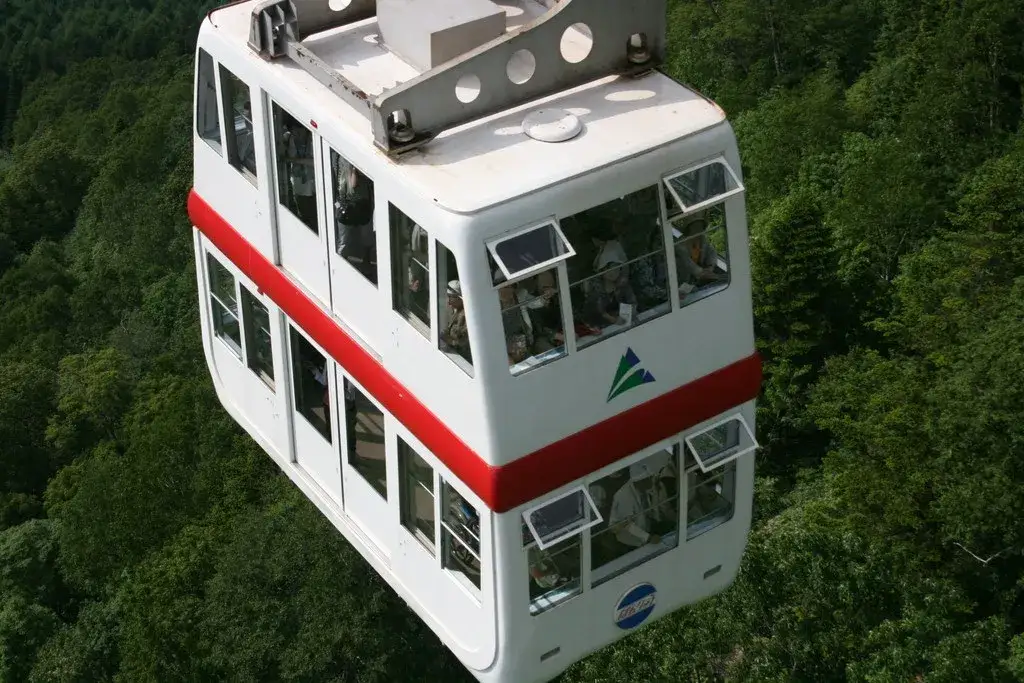
Shinhotaka Ropeway is the area’s headline sightseeing link into the mountain landscape. It has its own stations, ticketing and operational information, distinct from your ryokan reservation. Read the official site for the service plan that applies on your date and confirm any temporary maintenance or weather suspension. Strong winds can stop operation even when the lower valley appears pleasant.
Decide whether you want a straightforward ride and viewpoint visit or a more substantial walking programme. Do not treat a sightseeing ticket as preparation for an alpine route. Mountain paths require separate assessment, equipment and current guidance. If the party includes different abilities, agree where everyone will turn around and meet before ascending.
For a car-based visit, follow the operator’s parking instructions and seasonal notices. Different parking areas have different access implications, and a summer map should not be used as a promise of winter availability. For a bus-based visit, keep the return service visible in the plan as well as the ropeway’s final descent.
The Shinhotaka Ropeway guide covers the attraction in detail. Leave the rest of that day light enough that a slower queue or a change in weather does not cause a rushed return to the inn.
Can you enjoy Shin-Hotaka without hiking?
Yes: choose an accommodation-focused stay and a weather-dependent sightseeing outing rather than a walking itinerary. A mountain destination does not require every visitor to leave on a trail before breakfast.
An unhurried first afternoon can consist of finding the inn, understanding the bath arrangements, relaxing in the room and enjoying the booked dinner. For the next day, a ropeway visit may be enough. Ask about the route through each station and your own practical needs before relying on it, especially if steps, walking distance or standing in queues are concerns. A general claim about accessibility cannot confirm the whole journey from your room to the viewpoint.
The tourism association also lists named day-use bathing facilities in the Shin-Hotaka area. Check whether the one you are considering is open to visitors and what it requires. Separate managed facilities from outdoor communal baths: entry arrangements, washing facilities, clothing rules and seasonal access can differ. Do not arrive at a riverside bath with assumptions taken from your hotel’s large public bath.
If your accommodation already offers the bathing experience you want, there is no need to collect additional facilities merely because they appear on a map. Spend the available time on the option that best suits your comfort. A quiet afternoon is a coherent reason to stay in Okuhida.
What do you need to know about outdoor and mixed baths?
Check the rules of the individual facility, including its current operating status, before planning an outdoor bath. The words rotenburo and private bath describe different characteristics and should not be used interchangeably.
Rotenburo means an outdoor bath; it does not establish exclusive use. A mixed-gender bath, a gender-separated outdoor bath and a reservable private bath can all appear within the broader hot-spring landscape. If privacy is essential, ask the inn to describe the actual arrangement in writing. Check whether your intended bath is enclosed, overlooked or shared during particular periods rather than relying on a cropped photograph.
The tourism association describes Shinhotaka no Yu as a mixed-gender day-use bath and notes a winter closure. Treat both the rules and seasonal information as items to reconfirm for the facility, rather than a reason to assume a spontaneous winter visit will be possible. Other baths may have entirely different arrangements.
Keep cameras and phones away from bathing spaces unless the operator has explicitly arranged a permitted situation. Respect other guests’ privacy even if a photograph is intended only for a personal message. If anyone in your group is uncomfortable with communal bathing, choose a clearly confirmed private option before arrival so that the stay does not depend on persuading them at the door.
Should you combine Shin-Hotaka with Kamikochi?
Combine them when you have enough nights to give each excursion a sensible transport window. Do not assume the two places are adjoining sightseeing stops simply because both appear in a Japan Alps itinerary.
From Shin-Hotaka, a Kamikochi outing generally needs a plan through Hirayu and the seasonal access service. Check each connection for the date rather than building a day from an undated map. A Hirayu base can reduce the number of stages for a Kamikochi-focused visit, while Shin-Hotaka can make sense when the inn and the ropeway have higher priority. The right answer follows your main purpose, not a universal ranking of villages.
Drivers also need to respect Kamikochi’s private-car restrictions. An available rental car does not mean you can drive to Kappa Bridge; the parking and transfer arrangements are a separate part of the day. If the plan already contains a long arrival journey, consider sleeping in Hirayu for that part of the trip or reducing the number of excursions.
Use the Kamikochi from Okuhida guide to decide whether the extra journey adds enough to your trip. Keep a return margin that protects the ryokan dinner, and confirm any early breakfast or luggage needs with the property before booking a demanding day.
What changes in winter or poor weather?
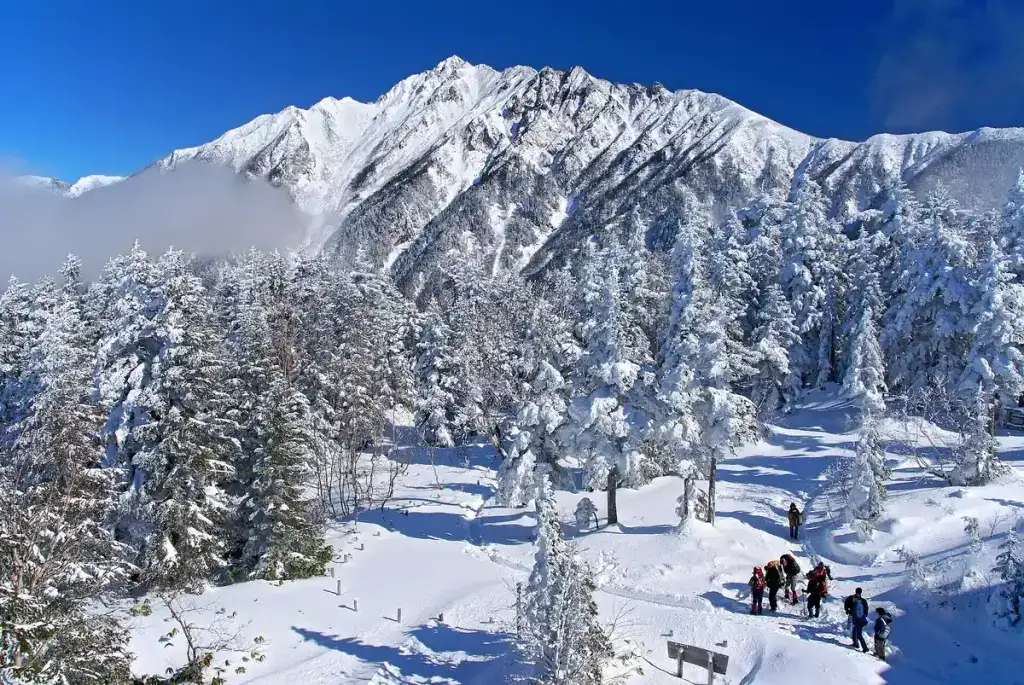
Winter makes a conservative arrival plan and useful indoor time more important. Poor weather can also change a warm-season itinerary, so build the stay around an inn you are happy to enjoy even without a mountain view.
Check the Nohi route notices, the ropeway’s current operation and the inn’s approach information independently. A bus may run while the ropeway is suspended; a clear lower road does not confirm conditions around every outdoor facility. Avoid interpreting one green status indicator as approval for all activities in the area.
For a drive, discuss winter equipment and the intended route with the rental company, then confirm the property’s parking instructions. If your experience does not match snowy mountain roads, take a bus-based approach or change the travel date. Being able to book a car says nothing about the conditions you will encounter.
Pack for outdoor waiting, wet footwear and a slower walk with luggage. Keep essentials in a small accessible bag so that arrival does not require unpacking everything at reception. For departure day, give a rail or long-distance bus connection a realistic buffer. An extra night in a gateway can be preferable to carrying an avoidable missed-connection risk through the whole trip.
What does a comfortable two-night stay look like?
Use the arrival day for the inn, one full day for your main outing and the departure morning for a measured return. That pattern gives the ryokan a meaningful role while leaving room to respond to conditions.
On arrival, confirm dinner, bath use and the following morning’s practical arrangements. Before the full day begins, check the weather and official notices. Choose the ropeway or the longer excursion that best matches those conditions, rather than leaving with a fixed plan that has already become unsuitable. If you are staying for consecutive dinners, ask the property how the meal plans are organised and communicate dietary needs in advance.
For the final morning, decide how much you can comfortably do before checkout and the departure service. Resist adding another attraction simply because the map suggests it is nearby. The useful test is whether you can complete it, collect luggage and reach the correct stop without hurrying. A well-planned Shin-Hotaka stay should leave time for the baths and the mountain setting that brought you here.
Shin-Hotaka Onsen Ryokan FAQs
Is Shin-Hotaka Onsen beside Shinhotaka Ropeway?
The ropeway is in the Shin-Hotaka area, but accommodation described as Shin-Hotaka Onsen is not necessarily beside its lower station. Check the exact property location and recommended bus stop. Ask the inn how to make the final part of the arrival and how to reach the ropeway from that address.
Is Shin-Hotaka a good place for a first ryokan stay?
It can be a good fit when the room, bathing arrangements and meals match what you want from the stay. Confirm those details for your exact booking plan and make the transport work around the property’s arrival requirements. A familiar village name cannot substitute for checking the individual inn.
Do I need a car in Shin-Hotaka Onsen?
A car is not automatically necessary because Nohi serves the valley and the ropeway. Its usefulness depends on where your inn is and what else you want to visit. Confirm your stop and any final transfer before booking. In winter, consider your own driving experience and the rental vehicle’s equipment carefully.
Can I see the mountains if the ropeway is suspended?
You may still enjoy the lower valley and your accommodation, but no particular view should be guaranteed. A suspended ropeway can reflect conditions that also affect outdoor plans. Check the official notices and ask your inn about suitable nearby alternatives. Choose a stay you would enjoy without a clear summit panorama.
Are all Shin-Hotaka outdoor baths mixed-gender?
No. Outdoor, mixed-gender and private-use describe different aspects of a bath. Ask about the exact facility and current rules rather than applying one description to the whole village. If you need exclusive use, confirm the room bath or reservation arrangement and whether it covers the members of your party.
How many nights should I book in Shin-Hotaka?
One night can suit an inn-focused stop with a simple arrival and departure. Two nights are easier to organise if you want an excursion day and a second evening at the same property. More nights only help if the room, meals and transport support the way your group wants to spend its days.