Gifu, Japan · The Northern Alps
Japan Alps: A Five-Day Takayama to Matsumoto Itinerary
Travel from Takayama into Okuhida, use the hot-spring area for a seasonal Kamikochi visit, then continue to Matsumoto. Five days works best with fewer hotel changes and one flexible mountain day. Check the visitor season and dated bus services before committing to the west-to-east route.
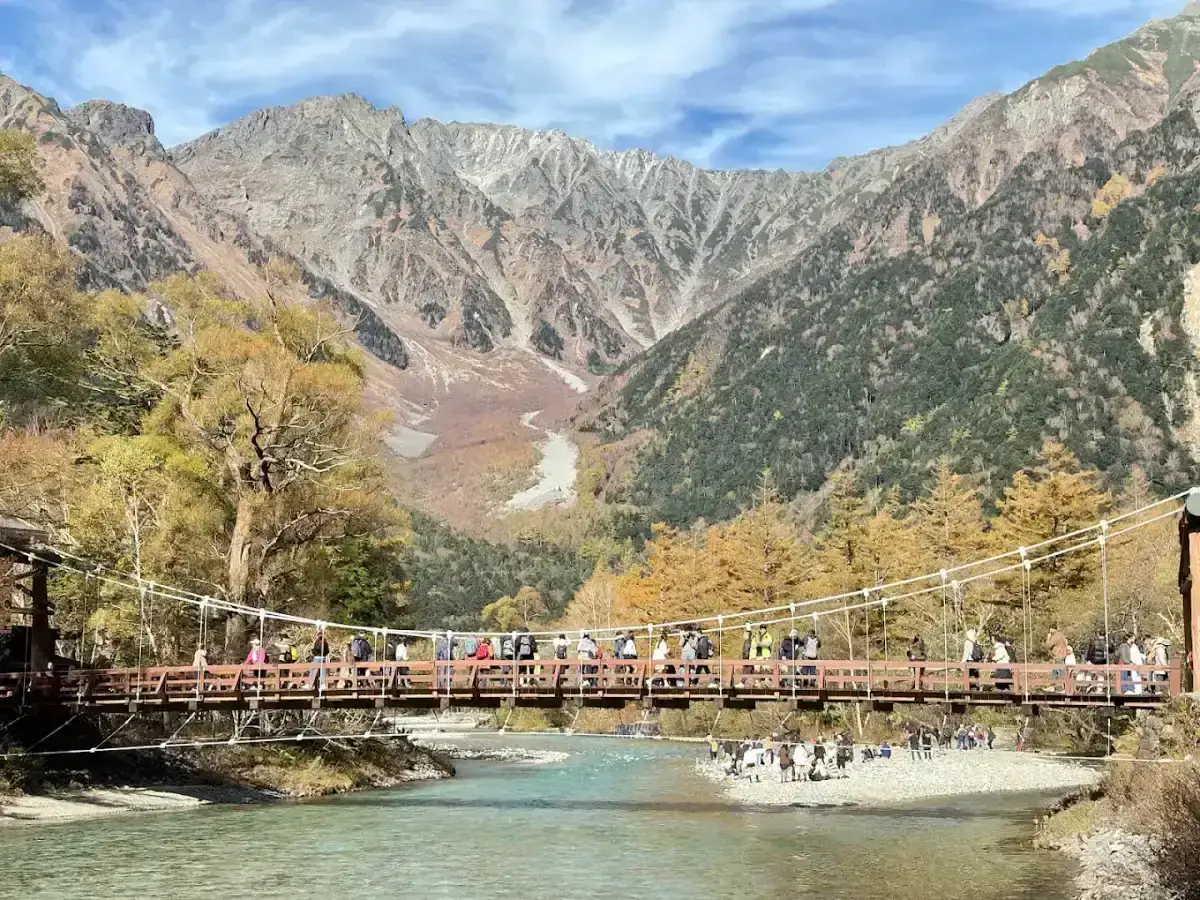
Kappa Bridge area in Kamikochi. Conditions and access change with the season. · Editorial permission · Used with permission · Editorial permission · Resized and converted to WebP
Some booking links may earn us a commission at no extra cost to you. How we fund this guide.
What is a realistic five-day Japan Alps route?
Use Takayama, Okuhida and Matsumoto as a west-to-east sequence, with Kamikochi as a seasonal walking day between the mountain stay and the eastern city. Five days allows a useful introduction without making every day a hotel transfer.
Our preferred shape is two nights in Takayama, two in Okuhida and an onward arrival in Matsumoto on the fifth day. If Matsumoto sightseeing is a major priority, move one Takayama night east or add another day. A route that arrives in Matsumoto shortly before departure does not provide the same experience as a full day there, even if both appear as five-day itineraries.
This is an independent planning recommendation, not a guaranteed package or a description of a journey we have personally tested. Check the official bus arrangements and the visitor season before fixing accommodation. The main mountain connections involve operators whose routes, reservations and seasonal patterns must be checked separately.
The route works best when you are already approaching from Nagoya or another western gateway and continuing toward Matsumoto or Tokyo. Reversing the order is possible, but the same practical questions remain: when can you enter the mountains, where will the bags go and which afternoon must end at a ryokan dinner?
| Day | Main purpose | Suggested night |
|---|---|---|
| One | Arrive in Takayama and take a short town walk | Takayama |
| Two | Explore Takayama at a comfortable pace | Takayama |
| Three | Travel to Okuhida; choose a ropeway outing or quiet arrival | Okuhida |
| Four | Kamikochi during its visitor season, or a flexible mountain day | Okuhida |
| Five | Cross to Matsumoto and continue or stay longer | Matsumoto if possible |
What should be checked before booking five separate travel days?
Confirm the direction, seasonal access and ryokan arrival requirements before purchasing a collection of fixed tickets. The itinerary needs to work as a connected journey, rather than as five independent days that each look attractive.
Start with the flight or intercity journey that brings you to the region. Decide whether the first Takayama day is a genuine sightseeing day or mostly an arrival day. Be equally honest about the last day: a morning transfer to Matsumoto followed by an early train departure leaves little time for the city. If both ends are short, reduce the number of planned outings.
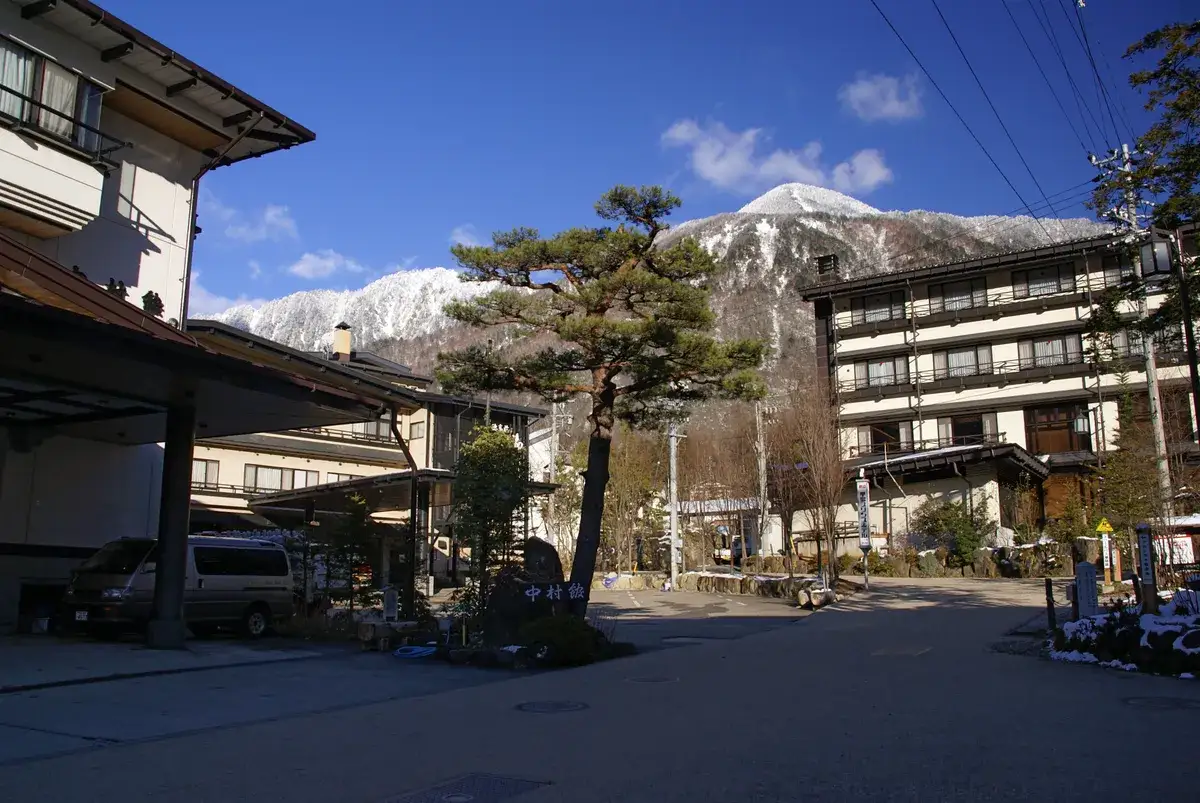
Next, choose one Okuhida base for both mountain nights. Moving between villages to experience two inns can be appealing, but it adds checkout, luggage and check-in constraints. For a first visit, staying put makes the weather decision easier and reduces the work involved in a day trip. The Okuhida ryokan comparison helps focus on location and bathing arrangements before the room photographs take over.
Ask the accommodation about meal times, early departures, luggage storage and access from the nearest stop. If Kamikochi is the central reason for travelling, compare a Hirayu base with a stay inside the visitor area. These choices create different evenings and different morning routines. A hotel inside Kamikochi should not be treated as interchangeable with an Okuhida inn.
Keep transport evidence together. Save official booking confirmations separately from screenshots of timetables, and label which dates each schedule applies to. A reservation page and a route map answer different questions. One confirms a particular service; the other helps explain the network.
How should day one introduce Takayama?
Keep day one deliberately short if you are arriving from another city. Use it to settle into the region and get your bearings around the station, bus center and accommodation.
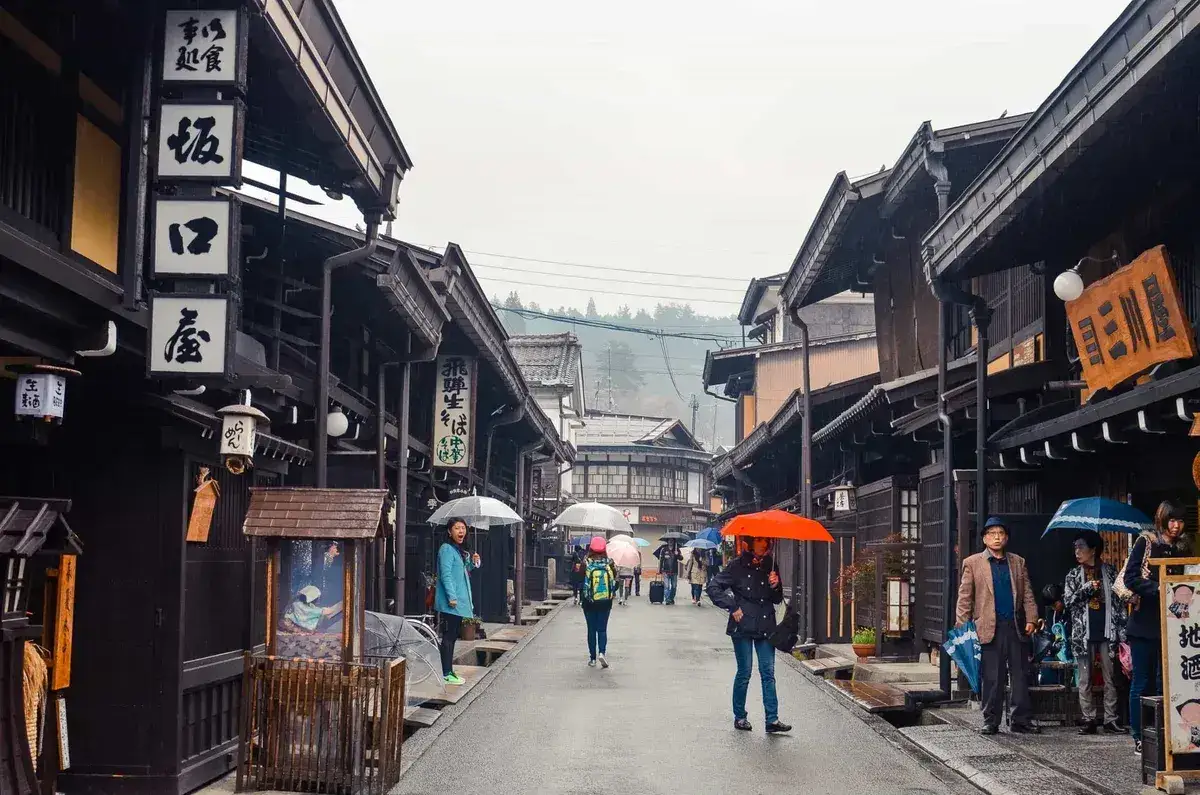
After leaving your bags, choose a compact walking loop through the historic center and allow time for food. Individual attractions and businesses can be added according to their current opening information, but a successful first day does not require seeing every stop before dinner. If arrival is late, a meal and a straightforward check-in are enough.
Locate Takayama Nohi Bus Center while you are near the station. It is useful to identify where the mountain services depart before you need to board with luggage. Check whether any service you intend to take needs advance arrangements, and ask how current notices affect your planned direction. Do not assume the rules for one Nohi Bus route apply to every other route.
Talk through the next few days with your travelling companions. Someone hoping for long walks and someone looking forward to leisurely baths may picture very different mountain stays. Agreeing on one main purpose per day prevents the itinerary becoming a daily negotiation at a bus stop.
A hotel near the station can simplify arrival and departure; another location may better suit the town time you want. Compare the trade-offs in our Takayama ryokan and hotel guide rather than treating the whole city as a single accommodation area. Confirm the real route from the hotel to your departure point.
What belongs on day two in Takayama?
Use the second day for the town sights that interest you most, with an afternoon buffer for practical preparation. This avoids trying to combine a full urban visit with the mountain transfer on day three.
Choose one or two focal visits and connect them with walking, meals and time to browse. Check the official opening information for any museum or heritage building you regard as essential. The key planning benefit of a second night is freedom to slow down; do not immediately fill it with a distant day trip that recreates the same pressure.
Separate shopping from carrying. If you intend to buy fragile or bulky items, think about whether you want them with you through the mountain portion. Ask your accommodation about luggage services and storage, but obtain an actual arrangement before relying on it. Sending bags onward can be useful only when the recipient accepts them and the expected delivery timing matches your journey.
Prepare a mountain bag containing the layers, rain protection and personal items you will need before the next accommodation check-in. Keep essential medication and documents with you. Do not place everything you might need on a day trip into a suitcase that you expect to leave somewhere unconfirmed.
Use the evening to check the next day’s forecast and bus notices. If the ropeway outlook is poor, day three can become a direct transfer and a relaxed inn arrival. Two Okuhida nights give you that option without losing the entire mountain portion to one disappointing forecast.
How should day three move from Takayama into Okuhida?
Travel into the valley with the ryokan arrival time as the day’s fixed point. Add Shinhotaka Ropeway only if the actual transport, luggage arrangement and service status leave enough margin.
Read the Takayama to Okuhida route guide before selecting the departure. The appropriate bus stop depends on your village and property, and some accommodation transfers may need advance contact. Do not simply choose the stop whose name looks most similar to the booking address.
If you include the ropeway, identify your return bus before beginning the visit. The attraction is weather dependent, and the station environment does not tell you what visibility will be like farther up. Check the operator’s information and decide whether the experience is worthwhile for your group that day. A clear plan also tells you when to stop adding optional food, shops or walks.
If you skip the outing, arrive at the inn without feeling that the day has failed. The value of two mountain nights is time to experience the property as well as to sleep there. Unpack, confirm the bath arrangements and discuss the following day’s early departure if Kamikochi remains the plan.
At dinner, remember that the meal plan and dietary arrangements should already have been confirmed. A mountain stay is less forgiving of last-minute assumptions than an urban night with many nearby alternatives. Choose an accommodation plan that actually fits what your group can eat and when it can arrive.
How should day four use Kamikochi?
During the ordinary visitor season, set aside day four for Kamikochi and return to the same Okuhida base. Starting from a settled room means you can focus on walking and transport rather than another hotel move.
The official visitor information describes a season broadly from mid-April to mid-November, with individual facilities and transport requiring their own checks. Private cars do not continue into the visitor area, so even a driving itinerary must arrange the permitted final approach. These are planning constraints, not minor details to solve after reaching a barrier.
From Okuhida, confirm the onward connection through Hirayu and the return service before leaving. Use the Kamikochi guide to decide whether you want a short visit around Kappa Bridge or a longer valley walk. The ability to name several landmarks is not evidence that your group can comfortably walk between them within the available bus window.
Pack for changing conditions and carry what you need for the time away from the inn. Check current local guidance on paths, wildlife and facilities. Stay within a route appropriate to your preparation; this sightseeing itinerary is not a mountain-climbing plan for Hotaka-dake or Mt Yari.
Return with enough time for dinner and rest. If the weather or services make Kamikochi unattractive, use the flexible day for a shorter local outing or the ropeway if it offers better conditions. Do not chase a replacement destination so far away that you lose the benefit of staying in Okuhida.
How should day five continue to Matsumoto?
Treat the cross-mountain transfer as the main commitment and add Matsumoto sightseeing according to the time remaining. An extra Matsumoto night is the easiest way to make the eastern end feel complete.
Check the dated Takayama–Matsumoto service information and how your Okuhida base connects with it. Your luggage, breakfast and checkout should all fit the same departure plan. If an inn transfer is involved, confirm where it leaves you and how much time you have to identify the onward boarding point.
On arrival, deal with luggage before walking around the city. A visit focused on Matsumoto Castle and the surrounding center requires checking the attraction’s actual opening information and allowing for the onward station journey. Avoid promising a complete city visit between a bus arrival and a fixed intercity departure.
If you are staying overnight, the day becomes more forgiving. You can arrive, eat, explore and move the remaining sightseeing into the next morning. This is particularly useful when the mountain portion has been tiring or when the party includes children or travellers who prefer fewer transitions.
For a same-day onward journey, retain an allowance for disruption rather than booking a connection based only on the shortest advertised transfer. Independent bookings may have different change or missed-service rules. The practical question is not whether the connection is theoretically possible, but whether you are comfortable with the consequences if it fails.
Which changes make the route better for your group?
Change the balance of nights before adding more destinations. Five days is enough for a coherent route, but it does not make every nearby place a sensible extra.
For a bathing-focused trip, keep two Okuhida nights and choose one mountain outing. For a walking-focused trip during the appropriate season, consider whether a Kamikochi night is worth exchanging for a Takayama night. That change needs a different luggage and meal plan, not just a new hotel name in the same schedule.
For families, check room capacity, children’s meals, bath expectations and the amount of walking between stops. A quieter day at the inn may be more successful than a long bus ride to a second attraction. For seniors or anyone with mobility needs, ask about stairs and the precise access route at the accommodation and attractions.
In winter, redesign the Kamikochi portion rather than running the summer sequence unchanged. The winter planning guide explains why road conditions, equipment and service notices belong near the start of the plan. In autumn, allow flexibility for conditions instead of treating a colour forecast as an appointment.
Finally, review the itinerary against your wider Japan route. A regional pass may cover some intercity legs without covering the local journeys you need. Compare each actual service with the product’s official map and conditions. A geographically tidy plan and a suitable ticket product are related decisions, but they are not the same decision.
Keep one shared version of the route that lists the hotel address, departure stop and key confirmation for each day. When several adults are travelling together, this is more useful than everyone holding a different screenshot. It also makes it easier to divide practical tasks: one person can check the bus while another confirms the accommodation arrival, without losing sight of the whole plan.
Consider what each traveller will carry on the day you change bases. A route that looks convenient for someone with a daypack may be awkward with a large suitcase, walking aids or a sleeping child. If luggage storage or forwarding is essential to the plan, obtain the actual arrangement before making the connecting bookings. Keep one overnight set of necessities accessible in case a bag arrives later than expected. The point of simplifying the route is to make the travel days manageable in practice, including the parts between the bus stop, the hotel entrance and the room.
Your questions, answered
Does this itinerary work in winter?
The Takayama and Okuhida portions can form part of a winter trip, but the ordinary Kamikochi visitor day needs to be removed or redesigned around current access rules. Check buses, road conditions and accommodation arrangements for your dates. Do not copy a green-season transport sequence into winter without checking each individual service.
Should I stay inside Kamikochi instead of Okuhida?
An overnight stay inside Kamikochi gives a different evening and morning from a ryokan in Okuhida. Choose it when the valley itself is the main priority and its seasonal accommodation works for your dates. Choose Okuhida when bathing, meal plans and the wider hot-spring area matter more. Confirm the luggage implications before changing the route.
Can I reverse the route from Matsumoto?
Yes, plan Matsumoto first, connect into Okuhida and continue toward Takayama. Recheck the actual services in that direction rather than assuming the same departure pattern in reverse. Protect the ryokan dinner arrival and decide where your bags will be during any Kamikochi visit before finalising accommodation.
Is a regional rail pass necessary?
No particular pass is necessary for the itinerary to make sense. Compare the exact trains and buses you intend to use with current official product coverage and individual booking options. Some intercity travel may fit a regional pass while local Okuhida transport does not. Buy for the journey you will actually take.
Can I add Shirakawa-go to these five days?
You can exchange part of the Takayama time for another outing, but it creates a bus-based day and reduces the relaxed town visit. Check reservations and protect the following mountain transfer. Adding a separate destination works best when you remove something else, rather than squeezing it into a day already built around a fixed connection.