Gifu, Japan · The Northern Alps
Takayama and Okuhida: A 2–3 Day Itinerary 2026
Spend the first part of your trip in Takayama, then travel into Okuhida for a ryokan night and one mountain outing. Two days suits a brief town visit and an unhurried inn stay; three days gives you room for Kamikochi or Shinhotaka Ropeway without squeezing both around dinner.
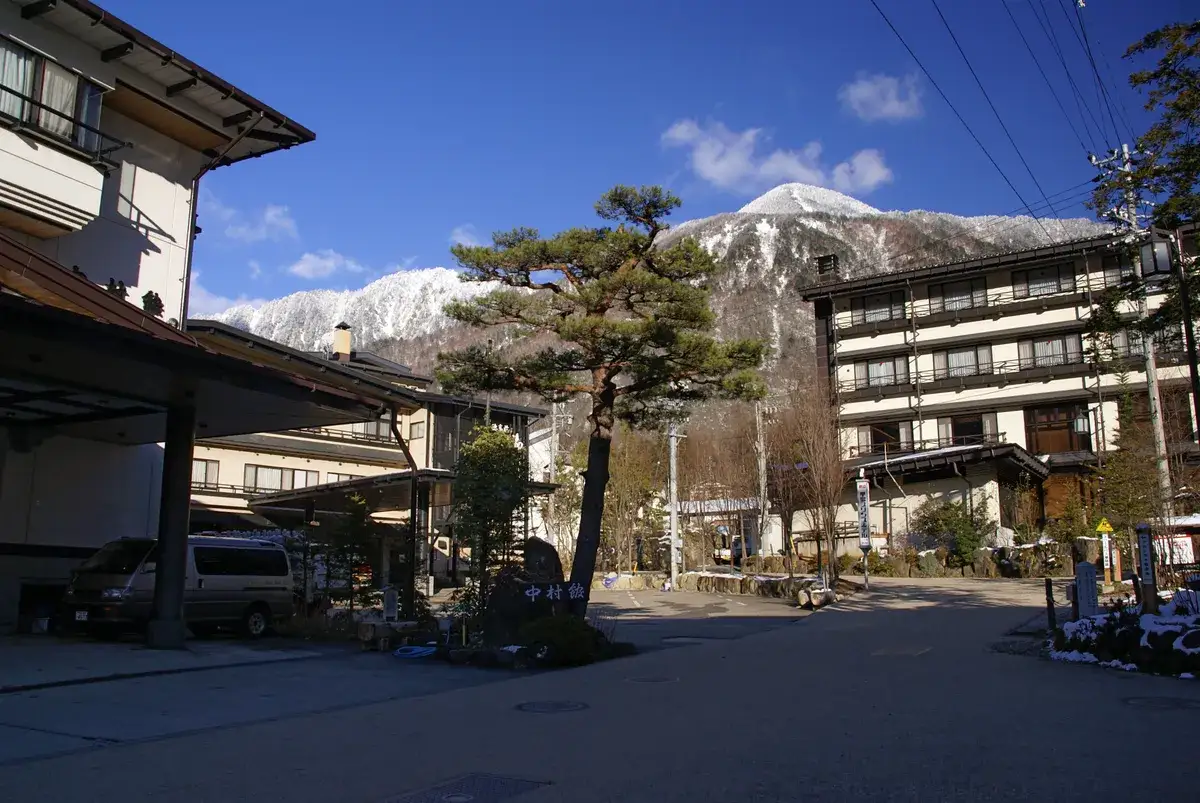
Archive view of Hirayu Onsen beneath snow-covered mountains; buildings and streets may have changed. · 663highland · CC BY 2.5 · Wikimedia Commons · Resized and converted to WebP
Some booking links may earn us a commission at no extra cost to you. How we fund this guide.
Is two or three days enough for Takayama and Okuhida?
Two days works for a town visit and one ryokan night; three days gives the mountain portion more breathing room. Our recommendation is to choose one major outing, rather than treat Kamikochi and Shinhotaka Ropeway as compulsory stops on the same short trip.
Takayama is the urban part of this plan: arrival, an easy first walk, meals and onward transport. Okuhida is the overnight destination, where the room, bath and dinner can occupy a substantial part of the experience. A schedule that reaches the inn just before dinner and leaves immediately after breakfast may fit the map, but it gives you little time to enjoy the reason for booking a ryokan.
Think in nights before thinking in attractions. One night in Takayama followed by one in Okuhida is a comfortable three-day shape when you arrive around the middle of the first day and leave on the third. If you only have one night altogether, decide whether the priority is exploring town after dark or spending the evening at a mountain inn. You cannot have a full version of both without compromising arrival or departure.
The Okuhida village guide helps choose the right base. A convenient bus stop and a suitable meal arrangement matter more than trying to visit all five villages. This is a planning itinerary, rather than a claim that every connection runs on every date.
| Trip shape | Best use | Main compromise |
|---|---|---|
| Two days, one Okuhida night | Town introduction and a ryokan stay | Choose a short outing or leave the mountain attraction for another trip |
| Three days, Takayama then Okuhida | Town time, mountain outing and a relaxed inn evening | Requires two hotel check-ins |
| Three days, two Okuhida nights | Bathing, flexible mountain day and less unpacking | Less evening time in Takayama |
What should you book before arranging the sightseeing?
Book the overnight base and its meal plan first, then fit transport and sightseeing around the arrival requirements. This protects the part of the trip that is hardest to move when buses, weather or appetite change.
Ask the inn for its latest acceptable arrival for your chosen dinner plan. Write down the bus stop in Japanese and English, the route from that stop and whether any pickup must be requested. A property described broadly as being in Okuhida may be quite different from an inn near Hirayu Onsen Bus Terminal. Distance on a map also does not tell you whether the approach is a comfortable luggage walk.
Make room selection explicit. A private bathroom, a reservable family bath and an in-room hot-spring bath describe different arrangements. If a particular bathing experience is central to the stay, obtain confirmation for the exact room category rather than relying on a property-wide photograph. Discuss tattoos, children and dietary needs before paying for a restrictive booking.
Next, check your arrival into Takayama and the Takayama to Okuhida bus route. Work backward from the ryokan arrival time and retain an earlier bus as your target. Your last possible connection should be a contingency, not the first choice. Save the official route page offline, but recheck notices before travel.
How should day one in Takayama work?
Use the first day for a manageable town walk and a settled evening if you are sleeping in Takayama. If you are travelling directly onward to Okuhida, shorten the town visit and protect the mountain bus connection.
Arrive, deal with luggage and orient yourself around the railway station and Takayama Nohi Bus Center before setting off. Your first task is confirming where the next day’s bus leaves, not fitting a distant sight into the first available hour. Keep a screenshot of the accommodation address and a separate note of any reservation details you need to show.
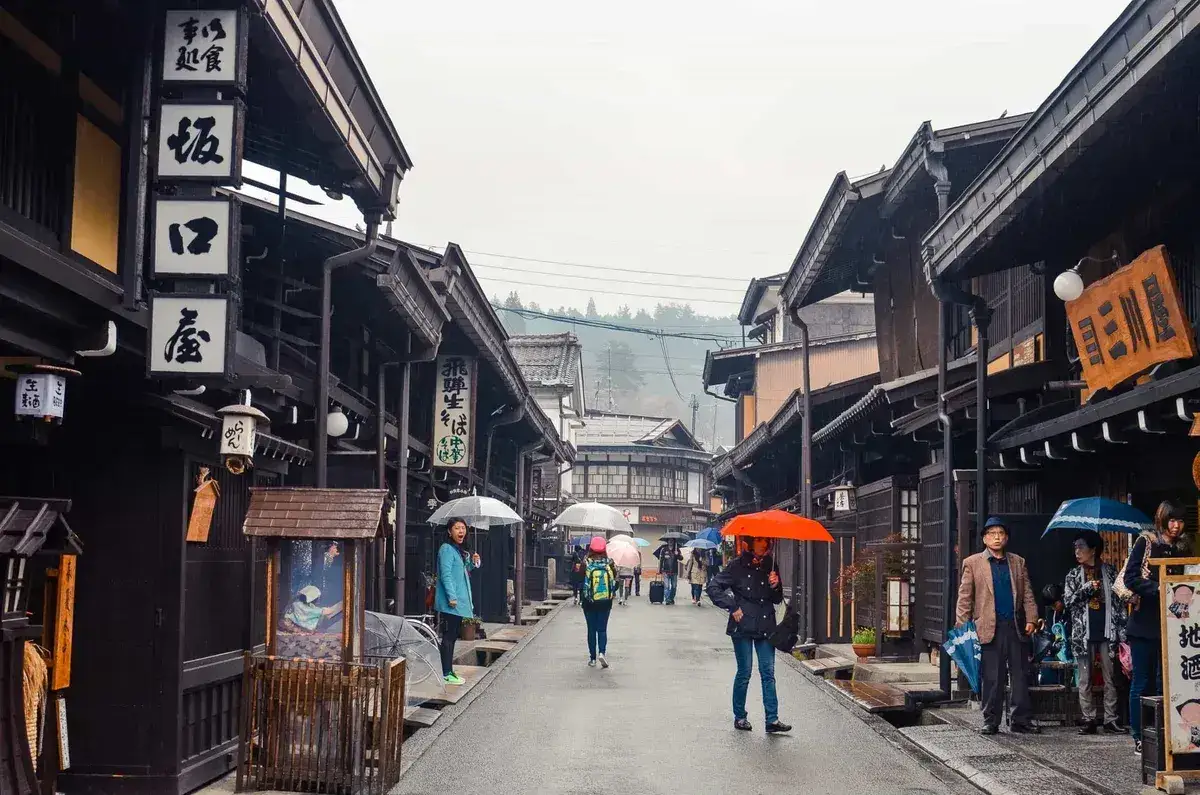
For a light introduction, choose a connected walk through the historic town area with time for a meal and a pause. Treat shops, museums and individual businesses as optional stops whose actual opening information you check locally. Avoid anchoring the day to a collection of exact closing times copied from an old itinerary. A late train should leave you with a shorter walk, rather than a series of missed reservations.
If you are staying in town, prepare a small overnight bag for Okuhida and ask your accommodation what luggage storage is possible. Do not assume that storage continues after checkout or that your onward hotel will accept a forwarded bag without prior arrangement. The Takayama accommodation comparison discusses the trade-off between station convenience and a more atmospheric town location.
If this is a two-day trip with an Okuhida night, leave Takayama while you still have a comfortable arrival margin. A long lunch and several shopping detours can quietly consume the time intended for bathing before dinner. It is better to leave one part of town for the return journey than to arrive rushed at the inn.
How should day two connect Takayama with the mountains?
Choose either a mountain attraction before check-in or a direct transfer followed by a slow ryokan afternoon. The right choice depends on the weather, the inn’s arrival rules and how much luggage you are carrying.
For a ropeway day, inspect the operator’s service information and visibility before committing to the full outing. Takayama, Hirayu and Shinhotaka form the relevant bus corridor, but the exact departure, stops and return arrangement must be checked in the dated timetable. Do not treat a gondola ticket as proof that transport and weather will cooperate.
If your ryokan is in Hirayu, ask whether leaving luggage before check-in is possible and how that would affect your onward bus. If the inn is farther into the valley, compare travelling straight there with carrying a small bag on the outing. An assumed luggage stop can become an additional transfer that makes the day less convenient than it looks.
At the attraction, decide your return bus before adding food, shopping or an extra walk. Allow time to reach the stop and identify the correct boarding point. A mountain day is easier when one person keeps track of transport while the rest of the group can enjoy the view. Families should agree on a clear meeting point if anyone wants to spend longer outside.
For a direct-transfer day, make the bath and meal the main event. Check in, unpack and read the bathing instructions before heading out again. A short local wander can be pleasant, but there is no requirement to turn the afternoon into a second sightseeing circuit. Choosing less is often what makes a one-night ryokan visit feel worthwhile.
Should you choose Kamikochi or Shinhotaka Ropeway?
Choose Kamikochi for a valley walking day during its visitor season, or the ropeway for a more focused mountain-view outing when the service and conditions suit. Neither choice guarantees clear scenery, and neither should depend on catching the last possible bus home.
For Kamikochi, the relevant Okuhida connection is through Hirayu. The official visitor season generally runs from mid-April to mid-November, while individual facilities can follow narrower schedules. Private cars do not continue into the visitor area; a car trip still requires arranging the permitted onward transport. Check the current official information rather than converting the usual season into a promise for your dates.
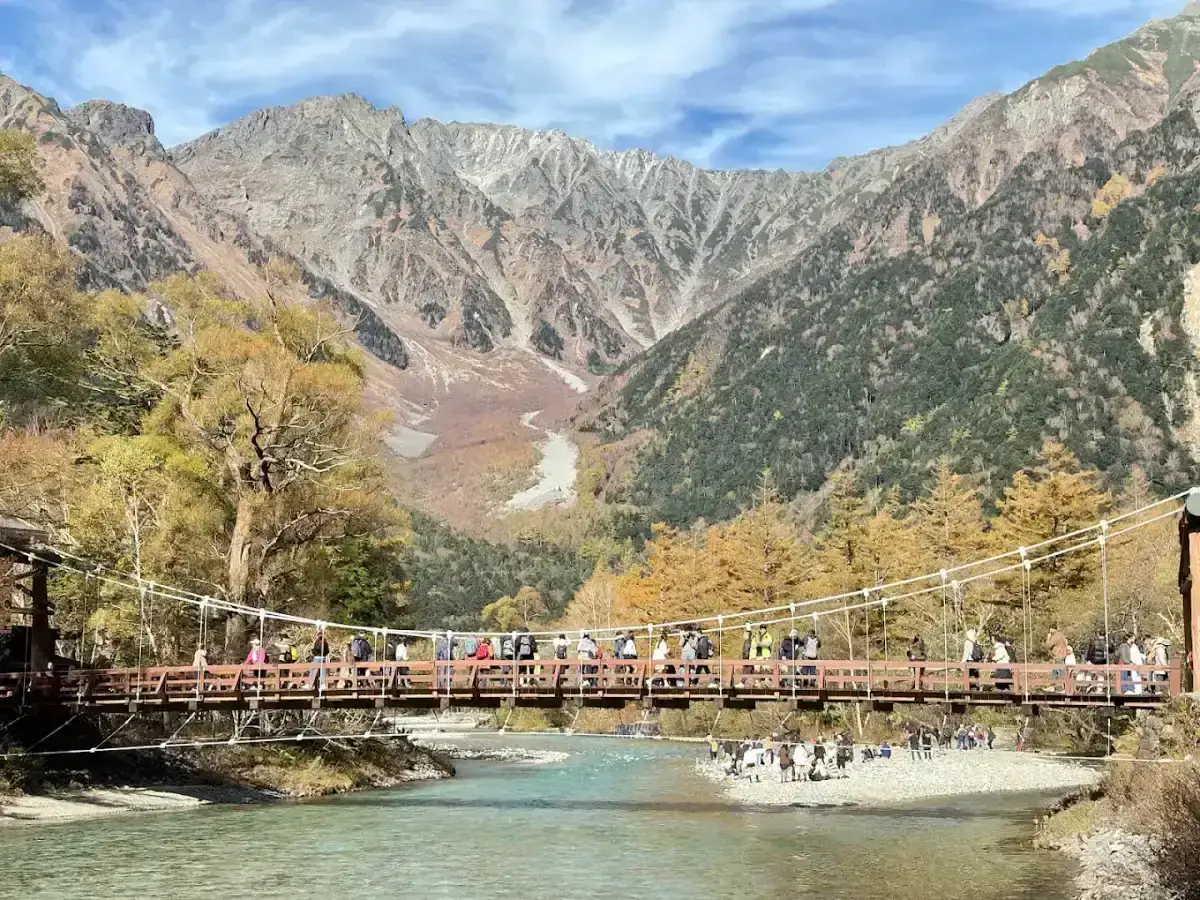
A first visit can focus on Kamikochi Bus Terminal, Kappa Bridge and a walk suited to the day’s conditions. Adding a longer route should be a conscious decision based on walking pace and the return journey. The Kamikochi transport and visit guide explains how to separate a valley stroll from more demanding mountain plans.
The ropeway is a different experience: a lift-based visit with weather-sensitive views. Study the Shinhotaka Ropeway guide before deciding how much of the day to allocate. Cold, cloud or service disruption may make the inn a better priority. Do not compensate for poor visibility by wandering onto a mountain route you did not prepare for.
On a three-day trip, keep the second day flexible until the forecast is useful. On a two-day trip, accept that the inn and town may already fill the available time. Listing both attractions as alternatives is more realistic than promising two complete mountain visits around a single overnight stay.
What should the ryokan evening include?
Reserve enough unstructured time to settle into the room, understand the baths and enjoy the meal you booked. An inn stay works best when its schedule is treated as part of the itinerary.
At check-in, confirm dinner, breakfast, bathing arrangements and the next morning’s departure. If you will need a taxi or a property transfer, ask while staff have time to help with the request. Clarify whether a private bath is allocated at reception, reserved in advance or available by another system. A booking description that says “private bath available” may not guarantee your preferred time.
Read the onsen etiquette guide before entering shared facilities. Keep phones out of bathing and changing areas, wash before soaking and follow the property’s own instructions. If someone in the group is uncomfortable with communal bathing, discuss alternatives before the trip; the evening should not become an unexpected test of confidence.
Dinner is also a reason to resist a late return from sightseeing. Confirm allergies and other dietary requirements in advance, because a same-day request may not fit the kitchen’s arrangements. Do not assume that vegetarian, seafood-free and halal describe interchangeable requests. If a meal cannot be suitable for your needs, choosing a different plan is better than relying on an unconfirmed modification.
After dinner, leave space for rest. An early departure feels less punishing when bags are mostly packed and the next bus has already been checked. The room, quiet time and conversation can be the evening’s purpose without adding a scheduled activity.
How should day three handle breakfast and departure?
Keep the last morning simple: breakfast, checkout and a connection with a useful buffer. Add a short outing only after checking that luggage and onward transport are genuinely straightforward.
If you are returning to Takayama, reserve time there for anything you deliberately left out on day one. This can be a meal, a small amount of shopping or a second town walk. It is easier to assess the available window after you reach town than to promise several stops before an important train departure.
If you are continuing east toward Matsumoto, look at the actual cross-mountain service rather than assuming the Takayama bus is your only option. Your choice of village affects how you connect at Hirayu. A route may make geographic sense while still having a departure pattern that does not suit your breakfast or luggage arrangements.
Avoid booking a tight onward flight on the assumption that the mountain portion will run exactly to schedule. If the journey home is important or expensive to miss, moving to your departure city the previous night is a reasonable planning choice. This itinerary does not promise protection between independently booked transport services.
For travellers with a late onward departure, a second relaxed bath might sound attractive, but checkout and bathing access are separate policies. Ask the property what is actually permitted. A clear agreement is better than planning around a facility you may no longer be entitled to use after leaving the room.
How do you adapt this plan for children, seniors or winter?
Reduce changes and keep one major activity per day when the group needs a slower pace. A good itinerary is the version everyone can comfortably follow, rather than the longest list that fits between bus departures.
For children, give meals, toilets and warm clothing the same planning attention as attractions. Check the inn’s age policy, bedding arrangements and meal choices before choosing a room. If one adult needs to remain with a resting child, make sure the other adults can still use the baths or take a short walk without a complicated transport arrangement.
For seniors, ask about stairs, the route from the stop and the bathing layout rather than relying on a broad accessibility label. A traditional-looking building does not tell you how far the bedroom is from dinner. A central base with a convenient transfer can be more useful than a remote room with an appealing photograph.
In winter, replace the Kamikochi day-trip idea with a plan appropriate to the current season and access arrangements. Check road and bus notices, and allow the possibility that mountain views will not justify an outing. Our Okuhida winter guide focuses on arrival, equipment and realistic alternatives. Snow can make an ordinary short walk substantially less convenient with luggage.
Before finalising, read the itinerary aloud as a sequence of departures, meals and hotel arrivals. If it sounds hurried, remove a stop. The strongest version of this trip leaves time for Takayama, one mountain experience and an evening that belongs to the ryokan.
Choose a fallback that works from the same accommodation, rather than keeping a distant destination in reserve. If the morning forecast is discouraging, a later breakfast and a shorter local outing can preserve the day without another long transfer. Agree beforehand which activity you would drop first, especially when travelling with several adults who have different priorities. That small decision reduces the pressure to continue a plan simply because it was printed on the itinerary. Keep the inn’s contact information accessible so a transport problem can be communicated promptly, with a clear arrival update and a realistic request for help.
Your questions, answered
Is one night in Okuhida enough?
One night can give you a satisfying ryokan experience if you arrive early enough to settle in and enjoy the baths before dinner. It leaves limited room for a major mountain outing as well. Choose two nights when bathing, changing weather or a slower family pace matters more than adding another destination.
Should I stay in Takayama or Hirayu first?
Staying in Takayama first often makes sense after a long arrival journey, because it separates the intercity connection from the mountain bus. Travelling directly to Hirayu can also work when the timetable and your dinner arrival requirements align. Choose the order from your actual arrival time, rather than a fixed sightseeing checklist.
Can I visit Kamikochi and the ropeway in one day?
A combined day needs close attention to the current buses, the change at Hirayu and each attraction’s operating arrangements. It gives you less freedom to walk, pause or respond to weather. For this short itinerary, choose one as the main outing and leave the other for a longer stay or a later visit.
Can this itinerary work without a car?
Yes, build the plan around the official bus corridor and choose a ryokan whose arrival arrangements you have confirmed. Check the actual stop, the luggage walk and the return service before booking. A car is not required merely because the accommodation is in the mountains, but an inconvenient property location can add complexity.
What should I do if the weather is poor?
Keep the ryokan stay and simplify the outing. A shorter town visit, a meal and time at the inn may be more enjoyable than forcing a mountain-view attraction in cloud. Recheck service notices and contact the property if transport affects arrival. Do not replace a cancelled sightseeing outing with an unprepared mountain walk.