Gifu, Japan · The Northern Alps
Okuhida Tours and Experiences: Choose What Adds Value
Book an Okuhida-area tour when it adds useful guidance or solves transport you cannot comfortably arrange yourself. A ropeway ticket, bus transfer, guided hike and village tour are different products. Start with your base and interests, then check the meeting point, activity level and return journey before comparing packages.
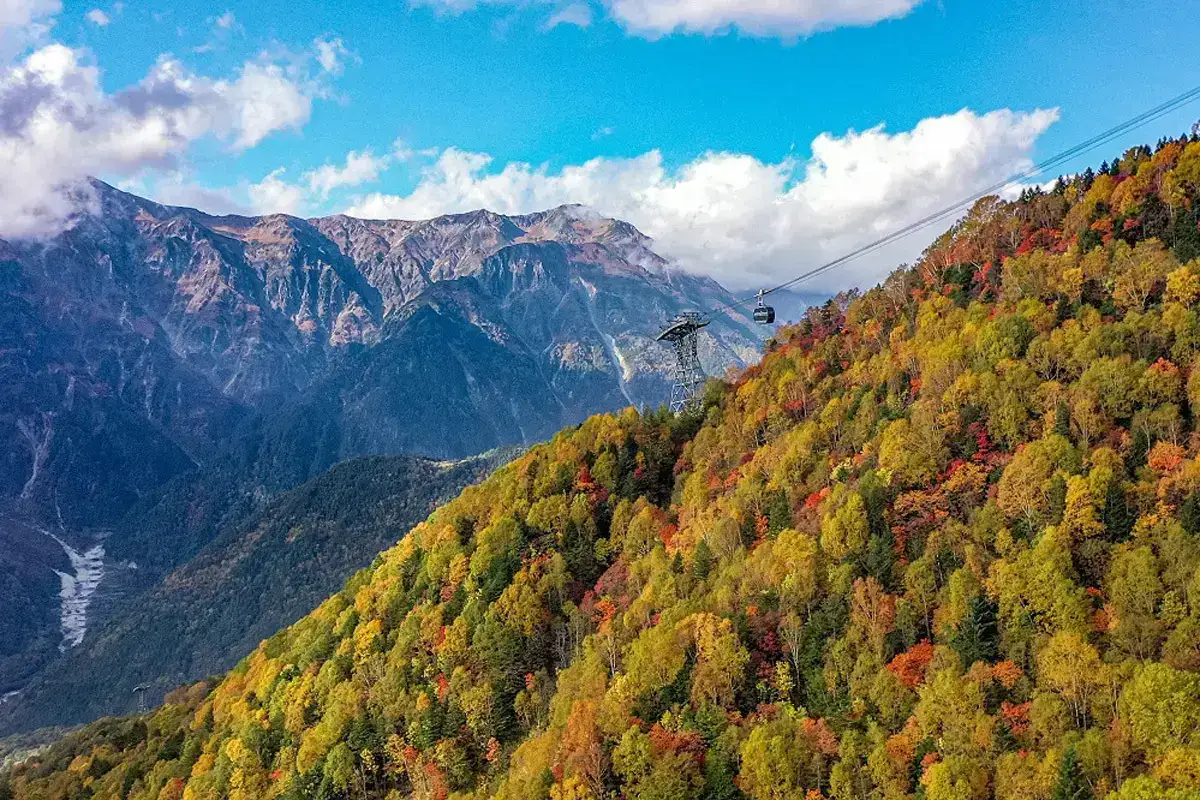
Shinhotaka Ropeway in autumn forest colour, used with permission. Service and views vary by season. · Editorial permission · Used with permission · Editorial permission · Resized and converted to WebP
Some booking links may earn us a commission at no extra cost to you. How we fund this guide.
Which experiences are worth comparing?
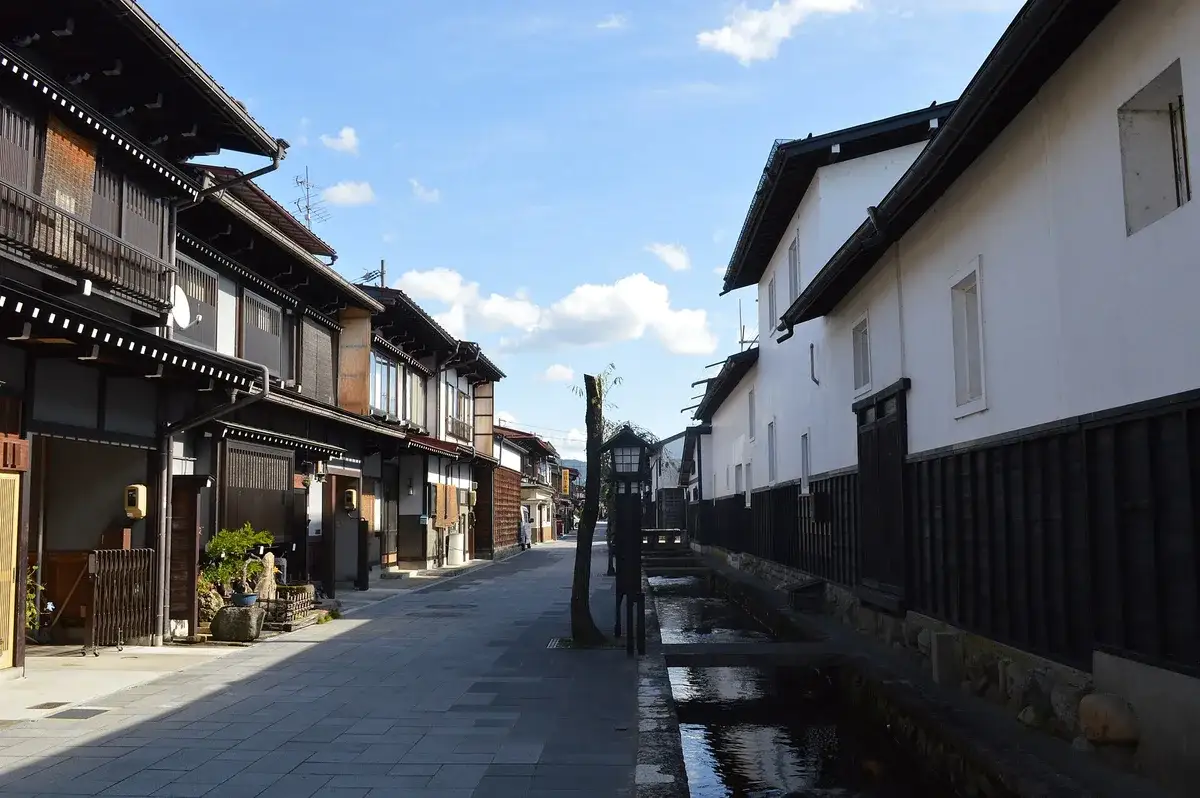
Divide the choices by purpose. A guided cultural walk in Takayama or Furukawa adds interpretation. A guided nature outing should explain its route, group ability and safety arrangements. A sightseeing coach trip mainly solves transport, while a standalone attraction ticket may add neither a guide nor a transfer.
Choose the problem you want the booking to solve. If you are comfortable taking a bus and walking a marked visitor route, a package needs a clear benefit beyond presenting the same trip under one checkout button.
Where does the activity actually start?
Read the full meeting address and return point. “Takayama area” can refer to a city departure, not pickup at an Okuhida ryokan. Include the early bus or taxi needed to reach the start and the late connection needed to get home.
If an outing starts early, stay near its meeting point the previous night. Avoid a booking that depends on the first possible bus arriving precisely on time. The advertised tour duration does not include the journey from your hotel unless the product explicitly says so.
How do you compare guided outdoor activities?
Ask about terrain, equipment, participant requirements and the route used in poor weather. A nature walk and an alpine ascent have different demands. Confirm guide language and whether the guide can communicate with everyone in the group during instructions.
Do not infer technical support from a scenic photo or a broad “hiking” label. If specialist equipment is required, establish what is provided and what must fit you personally. Choose a gentler alternative when the description does not match your experience.
What makes a booking useful rather than restrictive?
A useful booking has clear inclusions, realistic time at the destination and a return that fits your accommodation. Check admission, meals, transport and cancellation separately. Ask what happens when conditions change and whether the alternative still meets your reason for booking.
Keep an independent option in mind before paying. Some days are better spent with a village walk and an onsen than a long coach circuit. Reserve time for the stay itself rather than filling every available morning with an activity departure.
How do you decide whether an experience adds value?
Start with the problem you want solved: transport, local interpretation, specialist instruction or a particular admission. Then compare a product with the independent version of the same day. A booking is useful when its actual service meets that need and fits the rest of the trip.
A guided town walk can reveal details you would otherwise overlook. A coach itinerary can simplify a route with several connections. A standalone ropeway ticket may be all you need if your transport is already organised. A private outing can offer flexibility when the programme and pickup are agreed explicitly.
Avoid using the number of attractions as the main measure of value. More stops can mean less time where you most want to be. A half-day with good interpretation may suit a trip better than a full regional circuit. Keep your onsen stay in the calculation too: the activity should leave enough time to enjoy the room, meal and baths you have already chosen, rather than turning the ryokan into a late-night sleeping stop.
Which bookings fit Takayama, Okuhida and the mountain destinations?
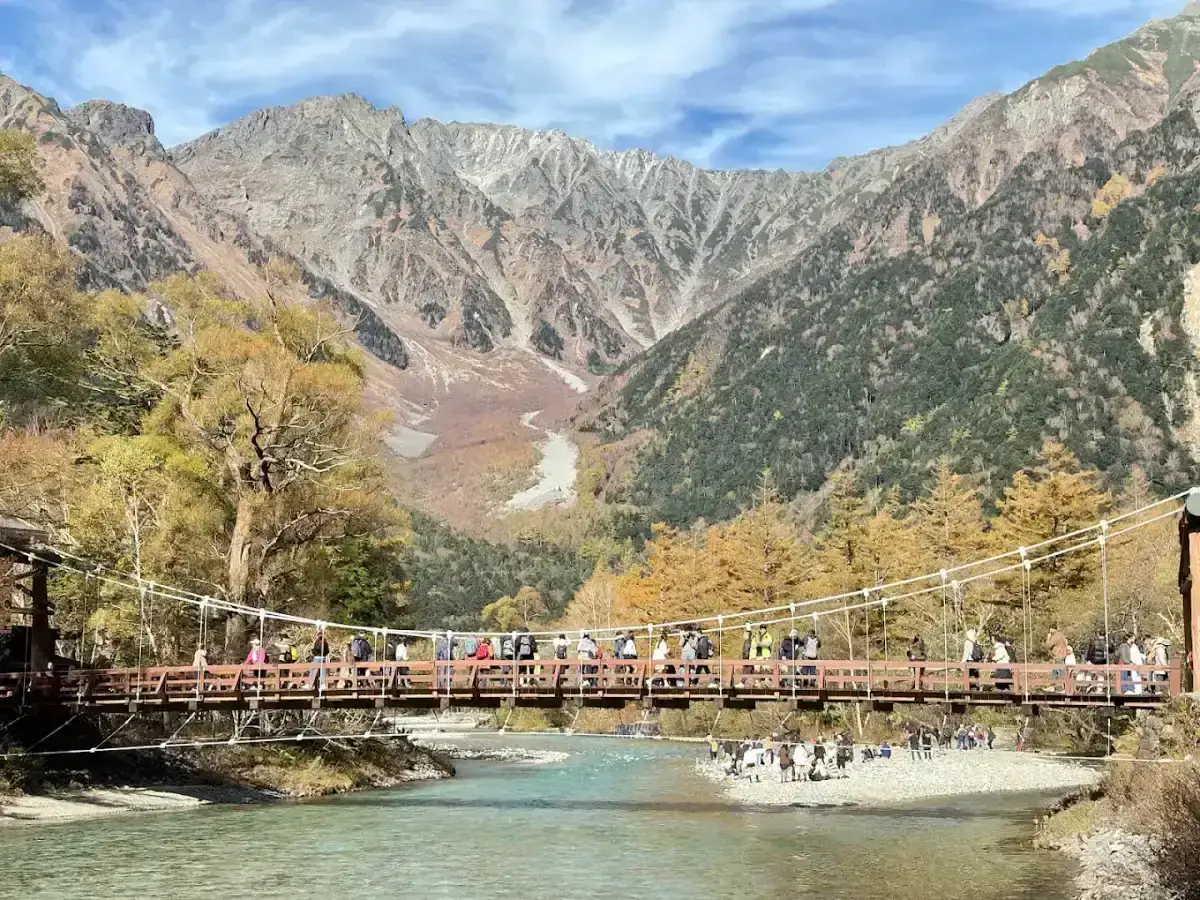
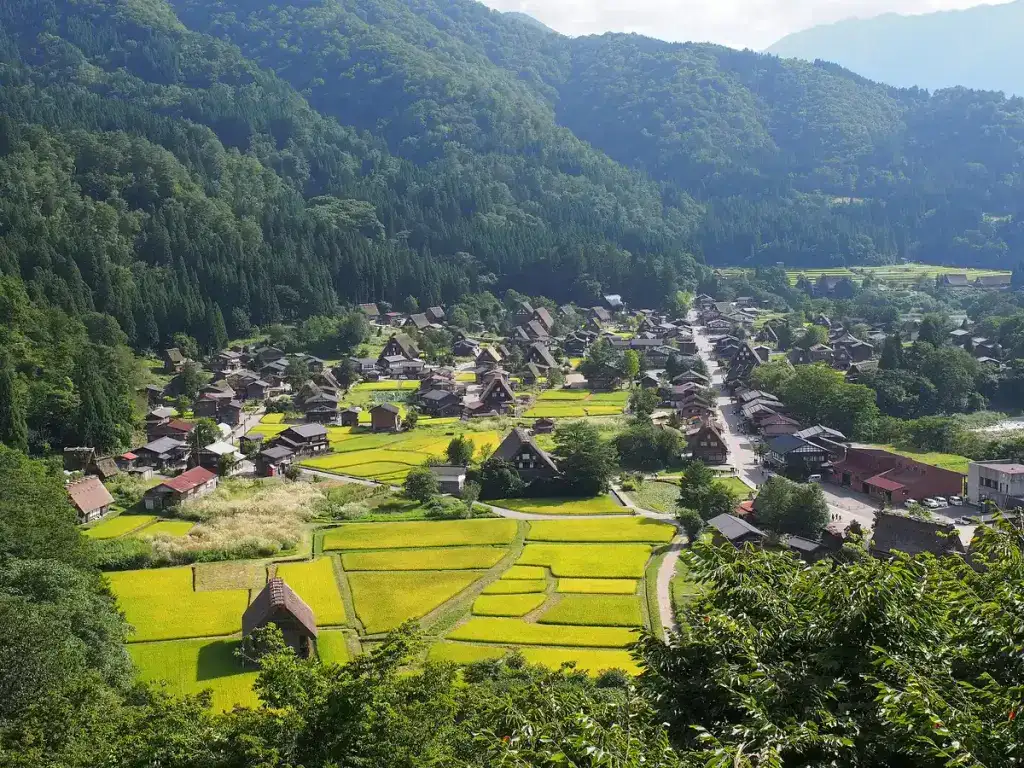
Match the experience to the place where it actually happens. Takayama cultural walks and tastings are city activities; an Okuhida outing needs its own transport and meeting-point check. Kamikochi, Shinhotaka Ropeway and Shirakawa-go have distinct access arrangements and should not be bundled mentally into one nearby sightseeing area.
For Takayama, a short guided walk may fit before or after the onsen nights. For Shirakawa-go, transport and return seats may be the main planning concern. For Kamikochi, route choice and walking time matter. For the ropeway, a standalone admission can be relevant when the bus plan is already clear.
Use the linked destination guides before choosing a package: Shirakawa-go, Kamikochi hiking and Shinhotaka Ropeway. They establish the independent planning questions, so you can see what the product genuinely resolves. A broad regional tour can still be a good choice, but it should be chosen with a clear understanding of the time and experience available at each stop.
Where does the tour start, and can you reach it from your ryokan?
Read the full meeting address and required check-in procedure before looking at the activity’s start time. A Takayama departure is not pickup from an Okuhida village. A listing may offer several options, and the selected reservation determines which one applies to you.
Work backwards from the meeting point using the current bus timetable and your hotel’s final transfer. Include walking, luggage storage and a buffer for road delays. Do not rely on the first theoretically connecting bus if missing it would mean losing the entire activity. If the start is early, a Takayama night beforehand may be the simpler choice.
Check the finish point as well. A tour ending in the city may return too late for dinner at a mountain inn, while a through tour may finish in another gateway altogether. The Takayama–Okuhida transport guide helps connect those details. A package removes only the transport it explicitly includes; your journey from the hotel to the meeting point and back remains part of the day’s practical work.
How do ticket-only, transport and guided products compare?
Ticket-only products provide the specified admission or transport entitlement; they do not automatically include a guide or hotel transfer. A transport package coordinates the stated vehicle journey, while a guided activity adds the described guiding service. Read the inclusion list to establish the boundaries.
| Product | Useful when | Confirm explicitly |
|---|---|---|
| Standalone attraction ticket | You have a workable arrival plan | Valid date, redemption and what admission covers |
| Transport-only excursion | You want a coordinated outward and return trip | Meeting point, free time and return town |
| Guided group tour | You want interpretation and an organised programme | Spoken language, route and group arrangements |
| Private experience | Your group needs an agreed pace or itinerary | Pickup area, customisation and exclusions |
| Special-event package | Access has separate reservation rules | Named event admission and exact inclusions |
A translated description does not establish the guide’s spoken language. A pickup label does not establish collection from every village. A photograph of a bath does not confirm that admission, towels or private use are included. Read each promise at the level of detail that affects your group, and ask the operator about unresolved essentials before paying.
What should families and slower walkers check before booking?
Check terrain, time standing, transfer frequency and the ability to shorten the programme. Organised transport can simplify a journey while leaving a demanding walking schedule. A package described as suitable for families may still have age, seating or participation rules you need to understand.
Give the provider every child’s age and ask about the actual activity requirements. For older relatives, ask about steps and the distance between the vehicle and the main sights. Do not assume that a private tour automatically provides accessible transport or mobility assistance. Those services need explicit confirmation.
Read the free-time arrangements too. A slower group may prefer one destination with room for breaks, while a multi-stop circuit may require everyone to keep the same pace. The family travel guide can help decide whether a shorter independent day is more suitable. Choose an activity whose normal programme works for the group, rather than relying on the guide to redesign it after departure when someone cannot continue comfortably.
Which seasonal bookings need extra care?
Winter mountain outings, Kamikochi access, Norikura services and Shirakawa-go light-up arrangements require date-specific checks. A product appearing in search results does not establish that its programme operates in every season. Verify the selected date and the relevant official notices independently.
A combined ropeway-and-Kamikochi itinerary should not be treated as a standard winter outing. A Norikura listing must distinguish Tatamidaira from the lower plateau. A snowy Shirakawa-go tour must state event admission if you want the light-up rather than ordinary daytime scenery. Use the ropeway winter guide and light-up guide before arranging the surrounding hotels. If the exact experience is unavailable, compare a different objective rather than a similarly named product. A seasonal booking should make your intended experience clearer, not conceal the operating constraints behind a scenic photograph.
What should you confirm about cancellation and itinerary changes?
Confirm the cancellation deadline, the provider’s disruption process and what happens if the programme changes. Weather, road conditions, minimum participation and event decisions can affect different products in different ways. Read the selected option’s terms rather than relying on a broad flexibility badge.
Ask whether an alternative itinerary is offered and whether you can decline it. Check how the provider contacts you and what to do if a message arrives while you are travelling. Keep the activity contact, reservation number and meeting instructions available offline, with another group member able to access them.
Consider separate bookings around the tour. A refunded excursion does not automatically refund a hotel, train or village transfer. Equally, poor visibility may not cancel an operating ropeway. Build a fallback that still fits your accommodation sequence. The aim is not to expect disruption at every turn, but to avoid making one optional activity the link that determines whether the whole holiday remains workable.
How do affiliate activity links work on this guide?
The activity modules link to booking providers for comparison. Check the current listing for availability, inclusions, guest requirements and cancellation terms before reserving. A curated link is not a promise that the activity operates on your date, departs from your hotel or includes every scene shown in its photographs.
Use the modules after choosing the kind of help you want. Compare the selected option with the destination guide, then verify the meeting point and return. If a private outing interests you, ask about the actual pickup area and agreed programme. If you need only admission, do not assume the larger package is better because it appears first.
For a place without a suitably matched product, use official visitor and transport information rather than buying an unrelated regional activity. Hida-Furukawa can work as a self-guided town visit, and a quiet village afternoon can be a complete experience without a booking. Keep the commercial choice proportionate to the trip: buy the service that helps, then leave space for the onsen stay itself.
When is independent travel the better choice?
Choose independent travel when the route is straightforward for your party and flexibility matters more than the services a package offers. A self-guided town walk, a short valley outing or time in an onsen village can be complete experiences without a commercial activity attached.
Use official maps, visitor rules and transport information to establish the plan. Keep the return clear and avoid improvising a demanding outdoor route because you are travelling without a guide. Independence means making the relevant decisions yourself; it does not remove the need to understand terrain, operating dates and the final journey home.
If the main uncertainty is only one transport leg, investigate that leg rather than buying a full-day programme by default. If the main interest is local interpretation, a short guided activity followed by free time may fit better than a regional coach circuit. The comparison should start with what you want to experience and what support you need, leaving the format as a consequence of those choices.
How should you organise activities around an onsen stay?
Put arrival and the ryokan evening into the itinerary before adding activities. Confirm the hotel stop, meal routine and bathing arrangements, then choose an outing whose return supports them. The accommodation is part of the experience, rather than a deadline that every excursion should narrowly beat.
On arrival day, keep a short optional activity rather than a tightly timed tour after a long journey. During a longer stay, give the main mountain outing a day with room for weather decisions. On departure day, decide whether you have a reliable luggage solution before booking a walk or workshop that ends close to the next bus.
Use a city night for an activity that begins early or returns late there. A split stay is useful when it removes a difficult connection, while repeated hotel changes can add unnecessary packing. Keep the overall rhythm clear: town experiences, an onsen stay and mountain sightseeing can complement each other without every day needing to contain all three. The result is easier to book and more comfortable to enjoy.
After choosing an activity, give the group a short shared note describing what is included, where it starts and how you return. This prevents one traveller expecting a guided walk while another has booked only transport. Include the selected option and any child requirements, then keep the provider’s contact accessible during the journey. If the day changes, everyone can work from the same plan. A clear confirmation is useful preparation, especially when the activity sits between hotel transfers or an evening meal at a ryokan. Resolve any remaining mismatch before departure rather than expecting the guide to change the product on arrival.
Where should you go next?
Continue planning with Shirakawa-go tours, Kamikochi hiking routes, Shinhotaka Ropeway guide, Hida-Furukawa day trip. Start with the Okuhida travel guide if you are still choosing a village base.
Your questions, answered
Do I need a tour for Kamikochi?
Many visitors use public transport and choose a maintained valley walk independently. A guide may add interpretation or help with a particular activity, but check the actual route and support offered. A coach transfer alone should not be mistaken for guided hiking or assistance on mountain routes.
Does a ropeway ticket include hotel pickup?
Only when the product explicitly includes that transfer. A standalone ticket usually needs to be considered separately from your journey to the attraction. Read the meeting point and transport inclusions rather than assuming an attraction listing under a regional destination includes pickup from every village hotel.
Can I book activities after arriving?
Availability depends on the experience, date and operator. Check specialist or small-group activities in advance if they are important to your trip. For flexible sightseeing, compare current conditions after arrival. Do not leave an essential return journey unplanned while waiting to choose an activity.
How do I choose between similar tours?
Compare the actual destination time, group size where stated, language, admissions and start and return points. Read cancellation terms and the bad-weather alternative. A longer list of stops does not necessarily mean a better day if each place receives only a brief visit and the transport takes most of the time.
Are experiences available from every village?
Do not assume so. Activities may start in Takayama, at a mountain terminal or at a specific property. Check the exact location and make your own arrival plan unless pickup is explicitly included. A stay in Okuhida is not itself a transfer reservation to an operator’s meeting point.