Gifu, Japan · The Northern Alps
Norikura from Okuhida: Tatamidaira or Kogen?
Norikura can mean the high mountain area around Tatamidaira or the lower Norikura Kogen plateau on the Nagano side. From Okuhida, investigate the seasonal Gifu-side mountain bus first. Do not assume it serves the plateau or that summer access remains available for a winter holiday.
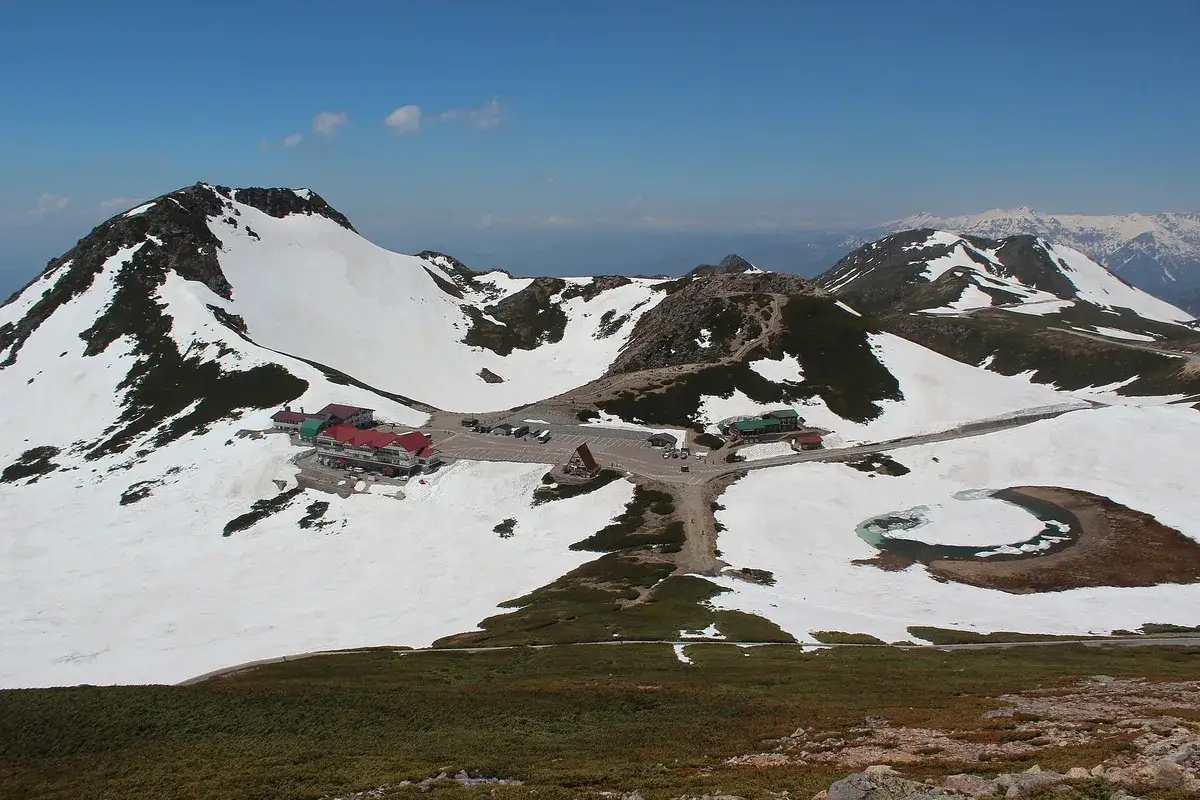
Tatamidaira on the high mountain, distinct from Norikura Kogen. Archive spring scenery; current road and trail conditions vary. · Alpsdake · CC BY-SA 3.0 · Wikimedia Commons · Resized and converted to WebP
Some booking links may earn us a commission at no extra cost to you. How we fund this guide.
Which Norikura plan matches your destination?
Choose the destination first: a Tatamidaira sightseeing day, a researched summit walk and a Norikura Kogen stay require different plans.
| Plan | Main focus | What must be confirmed |
|---|---|---|
| Tatamidaira sightseeing | High mountain setting without a compulsory summit | Gifu-side seasonal bus and suitable open walk |
| Summit outing | A specific mountain route | Equipment, conditions and turnaround |
| Norikura Kogen stay | Nagano-side plateau accommodation | Hotel-recommended gateway and final transfer |
| Lower-altitude fallback | A flexible Okuhida day | An alternative not dependent on the same mountain road |
What is the difference between Tatamidaira and Norikura Kogen?
Tatamidaira is the high-altitude arrival area used for mountain sightseeing and walking. Norikura Kogen is a lower plateau destination on the Nagano side. They share the Norikura name but should not be treated as interchangeable hotel locations or bus stops.
Start by choosing the experience: high mountain scenery, a summit walk, or a plateau stay. Then search transport to the exact place. Booking a room in Kogen does not automatically place you beside the Gifu-side mountain bus.
How do you travel from Hirayu?
Check Nohi Bus’s current Norikura timetable and operating notices for the Gifu-side approach. The published route uses the Norikura Skyline corridor, with arrangements involving Hirayu and Honokidaira. Direct services and transfer options must be read from the date-specific timetable rather than inferred from the route name.
Private-car restrictions apply to the high mountain approach. If driving, verify the designated transfer parking and onward bus service. The road being visible on a map is not permission to drive to Tatamidaira.
Is the mountain bus the same as an easy summit visit?
No. Arriving high on the mountain reduces the approach, but optional walks still take place in exposed terrain. Check the official walking map, weather and route notices before leaving the bus area. If you are not prepared for a summit walk, keep the visit to an appropriate sightseeing route.
Carry warm and waterproof layers even when the village feels comfortable. Let the actual weather and your group’s condition decide how much walking to do. An early descent is a sensible choice when visibility or conditions deteriorate.
What is the best backup plan?
Keep a lower-altitude option that does not depend on the same mountain road. Nohi’s route page warns that weather and road conditions can interrupt service; it also uses different operating arrangements in some conditions. Check the notice before boarding the first connection.
Avoid combining a mountain excursion with a non-refundable long-distance departure that leaves no margin. If you are staying in Okuhida, an onsen afternoon is a practical alternative. If you are moving hotels, make the transfer the priority and leave the mountain optional.
Which Norikura destination should you put into your booking search?
Use Tatamidaira for the high mountain arrival area and Norikura Kogen for the lower plateau on the Nagano side. Searching only for Norikura can mix accommodation, scenic roads and mountain walks that require different approaches. Decide the destination before comparing bus tickets or hotel locations.
For an Okuhida stay, the Gifu-side route toward Tatamidaira is the first seasonal sightseeing option to investigate. For a plateau overnight, ask the accommodation about the appropriate Nagano-side gateway. Do not assume the shared mountain name creates a convenient link between your hotel and either approach road.
Write the exact place name in Japanese as well as English. Tatamidaira is 畳平 and Norikura Kogen is 乗鞍高原. Keeping those names beside your transport notes helps staff distinguish a mountain excursion from a hotel transfer. This matters especially when you have saved a summit photograph but booked a room in the broader area. The final bus destination, overnight address and desired walking route should all describe the same plan.
How do Hirayu, Honokidaira and the Skyline bus fit together?
Use the current Gifu-side timetable to establish whether your chosen service starts at Hirayu or requires a change around Honokidaira. The Norikura Skyline is the mountain approach, while Tatamidaira is the destination you are trying to reach. Read route notes and service notices with the timetable. Check the outward and return columns together. A convenient departure to the mountain does not establish a return that fits your ryokan dinner, onward train or luggage collection. If staying in another Okuhida village, include the first journey to Hirayu and the final journey back. Those extra links can determine whether the outing feels relaxed.
For drivers, identify the currently authorised transfer location before leaving the hotel. Parking below the restricted approach is part of the trip, followed by the mountain bus. Keep your car’s location and return service clear to everyone. Do not depend on navigation software to know seasonal road rules, and do not follow a bus onto a road that is restricted to approved vehicles.
Is Tatamidaira worthwhile without climbing a summit?
It can be, if the high mountain setting and a modest permitted walk are your main interests. Reaching Tatamidaira does not oblige you to climb the highest nearby peak. Choose a route from the current walking information that matches your footwear, available time and the day’s conditions.
Before leaving the arrival area, understand the route back and where you will catch the descent service. An attractive path can look short while taking longer than expected on an exposed surface. Keep the return bus as the fixed point and treat further walking as optional. If the conditions are poor, a short visit or an early descent can be the sensible result.
Do not describe the trip as effortless just because a bus does much of the climbing. High mountain weather, temperature and physical comfort still matter. Families should plan around the least confident member and avoid turning a sightseeing visit into an improvised summit attempt. If your priority is an easy forest-and-river walk, compare the Kamikochi hiking options before deciding which mountain day suits you.
What should you check before attempting a summit walk?
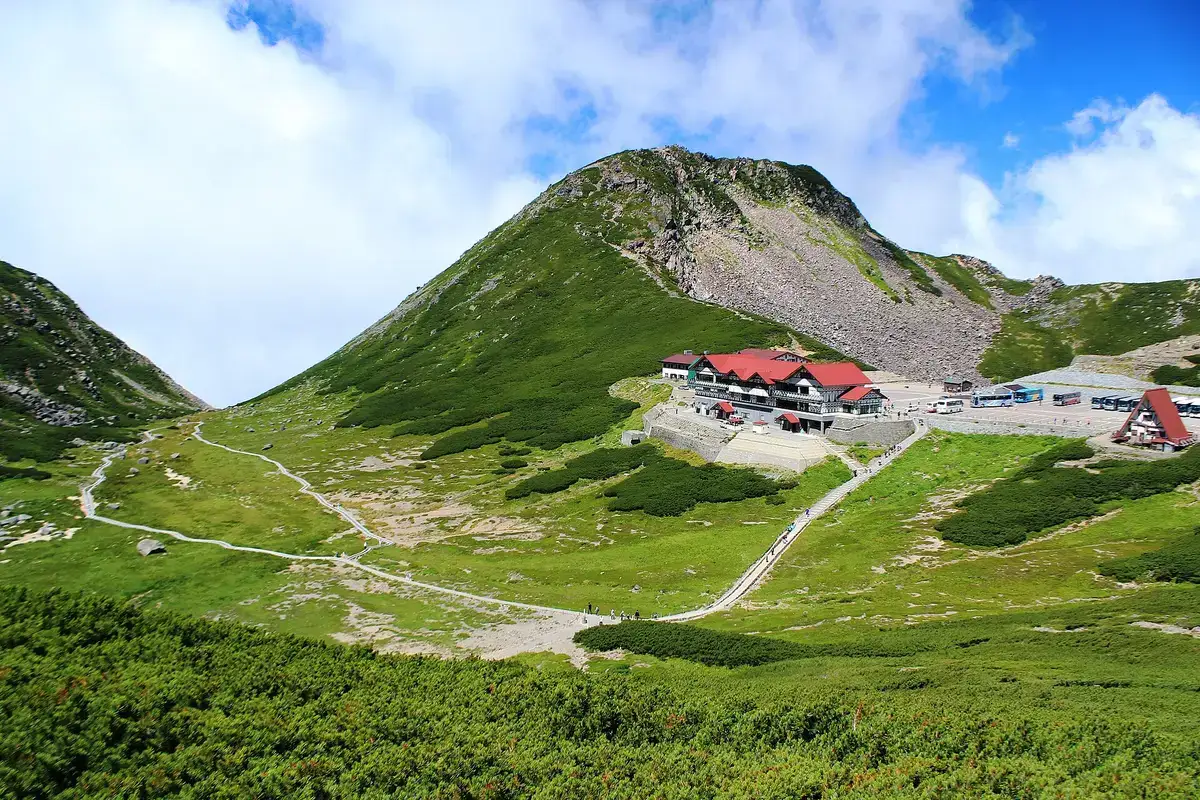
Research the exact summit route separately from the bus journey. Confirm the open path, conditions, required equipment and full return effort using the current mountain information linked by the operator. A bus ticket confirms transport arrangements, not the suitability of a mountain walk. Set a turnaround rule based on the return service and your group’s progress. A route description written for regular hikers may not match the pace of someone adjusting to the terrain. Do not continue simply because the summit appears close or other walkers are heading upward. Visibility can also make the return less obvious than it looked on the outward leg.
Keep your objective proportionate to the wider trip. A holiday built around ryokan stays and sightseeing does not need a summit to feel complete. If climbing is the central reason for visiting, organise suitable preparation and advice in advance. Do not rely on this general destination guide, a few saved photographs or borrowed equipment as the basis for a demanding mountain plan.
Why should you keep the high mountain day flexible?
The approach can be affected by weather and road conditions independently of the lower villages. Check the operator’s notice before leaving your accommodation and again before committing to an onward connection. A pleasant morning in Hirayu does not settle whether the higher road or walking area is suitable. If you have more than one full day in Okuhida, choose the mountain outing after comparing conditions rather than fixing it between two inflexible bookings. Keep a lower-level alternative that does not depend on the same road. A local bath, a village walk or a transfer to Takayama may fit, depending on current operation and your interests.
Avoid combining Tatamidaira with a tight evening train or a final bus to another village. The trip becomes less enjoyable when every pause is measured against a distant connection. If moving hotels, decide in advance whether the mountain visit is optional. Protect the hotel transfer first and make the excursion only when there is enough margin to return without rushing.
What clothing and bag should you prepare?
Prepare for exposed mountain conditions rather than the temperature at breakfast. Carry warm and waterproof layers, secure footwear, a charged phone and the essentials for the whole return journey. Keep the bag manageable so it does not hinder boarding or walking.
Separate the day kit from luggage left at your accommodation or vehicle. If the mountain visit happens on a hotel-transfer day, confirm storage before departure; do not expect the bus or arrival area to solve a suitcase problem. Carry food and drinks appropriate to the group without relying on every visitor service being available.
Check the forecast and route information before choosing equipment. Items useful on an exposed walk may have restrictions on transport or indoor surfaces, so follow operator guidance. For children, make sure spare layers are actually accessible rather than packed in an adult’s large suitcase. A comfortable short walk requires less commitment than a summit outing, but both need a practical plan for cold, rain and an earlier-than-expected return.
How does Norikura Kogen fit a Matsumoto itinerary?
Treat Kogen as its own destination on the Nagano side, with an arrival route supplied by your accommodation and the current transport operators. It may fit a wider Matsumoto stay, but it should not be inserted into an Okuhida day as though it were another stop on the same mountain bus.
If changing from Okuhida to a Kogen hotel, compare the complete journey, including where you change, how luggage is handled and when the property expects you. Do not plan to cross over the mountain based only on the apparent proximity of two pins. Seasonal roads and differing operating calendars can make a geographically short route impractical.
Use the Matsumoto–Okuhida guide to understand the wider gateway connection, then check the hotel’s specific final approach. If the transfer itself uses much of the day, leave sightseeing modest. A short local walk after arrival is often a better fit than trying to visit Tatamidaira, cross to another destination and still meet a fixed dinner arrangement.
Which alternative should you choose if Norikura does not fit?
Choose the alternative according to what you wanted from Norikura. For river and forest scenery, investigate Kamikochi during its visitor season. For a local elevated viewpoint, compare Shinhotaka Ropeway. For a slower day, stay in your onsen village and choose a bath whose current access you have confirmed.
These alternatives have their own weather and operating constraints, so one being unavailable does not automatically make another suitable. Check them independently. The useful distinction is between changing your objective and merely switching to another high mountain attraction affected by the same conditions.
If you only have one full day in Okuhida, avoid arranging a sequence that depends on visiting both Norikura and another major mountain destination. Choose the experience you most want and give it room. The Hirayu base guide can help organise accommodation around that decision. A trip with one well-planned mountain day and a relaxed onsen evening is more coherent than an itinerary that collects several names but spends most of its time changing buses.
How should you choose the overnight base for a Tatamidaira excursion?
Choose the base by the first mountain-bound connection and the return to your hotel. Hirayu is worth comparing for a Gifu-side outing, but verify the actual departure and any transfer before selecting accommodation. A room described broadly as near Norikura may be on the other side of the mountain.
Ask about breakfast and checkout if you intend an early start. A meal-inclusive ryokan stay and a very early departure may not fit comfortably, particularly if you then need another village connection. If staying more than one night, keeping the same room can simplify the bag plan and let you choose the better weather day.
Use the accommodation module to discover possibilities, then check the final address and property arrival instructions. It is a search tool, not confirmation that the hotel serves the precise mountain route you intend to use. Keep the bus stop, hotel and chosen destination together in your notes. This prevents a booking made for scenery from creating an inconvenient morning before the excursion even begins.
Which map assumptions most often lead to a poor Norikura plan?
The biggest assumption is that two places sharing the mountain name have a straightforward through connection. A summit area, scenic road and plateau hotel can be close on the map while requiring different gateways and operating calendars. Plan the permitted journey rather than the apparent direct line.
A second assumption is that a road open to a mountain bus is open to a rental car. Use the current access restrictions and parking instructions. A third is that reaching a high bus stop makes every nearby summit an easy extension. The walking route needs its own preparation, turnaround and weather decision.
When you find yourself relying on several of these assumptions, simplify the outing. Choose Tatamidaira sightseeing, a separately researched mountain walk or a Kogen stay as the primary objective. You can investigate the others on another trip or day. Clear destination names and a verified return are more useful than an itinerary whose main attraction is how much it appears to cover on a regional map.
Where should you go next?
Continue planning with Hirayu Onsen guide, Matsumoto to Okuhida, Kamikochi from Okuhida. Start with the Okuhida travel guide if you are still choosing a village base.
Your questions, answered
Can I drive to Tatamidaira?
Private-car restrictions apply to the mountain approach. Use the operator’s current access instructions to find the appropriate parking and transfer service. Do not assume a rental car can use the same road as the mountain bus, or that navigation software accounts for seasonal restrictions and road closures.
Is Norikura open in winter?
Different parts of the Norikura area have different winter activities and access arrangements. The seasonal mountain bus to Tatamidaira should not be treated as a year-round connection. Check the exact destination, operating calendar and road status instead of applying information about the lower plateau to the high mountain.
Can I go from Okuhida to Norikura Kogen?
Investigate the Nagano-side transport separately from the Gifu-side mountain sightseeing bus. The same regional name does not establish a convenient through connection. If your accommodation is in Kogen, ask it for the current recommended arrival route and confirm that every leg works on your date.
Is it suitable for young children?
Choose the outing around the child’s comfort, transport tolerance and ability to handle the conditions. A bus arrival does not remove the challenges of exposed mountain weather. Keep walking ambitions modest, bring appropriate clothing and be prepared to return early rather than pursuing a summit simply because it is nearby.
Can I combine Norikura and Kamikochi?
They are better treated as separate priorities when you want meaningful time outdoors. Both require attention to access and return transport, so combining them can become a day spent transferring. Choose one according to the weather and season, or use separate days during a longer Hirayu stay.